

Bath Bench Supplier Shares Expert Tips for Safe Shower Seating
2026-11-24
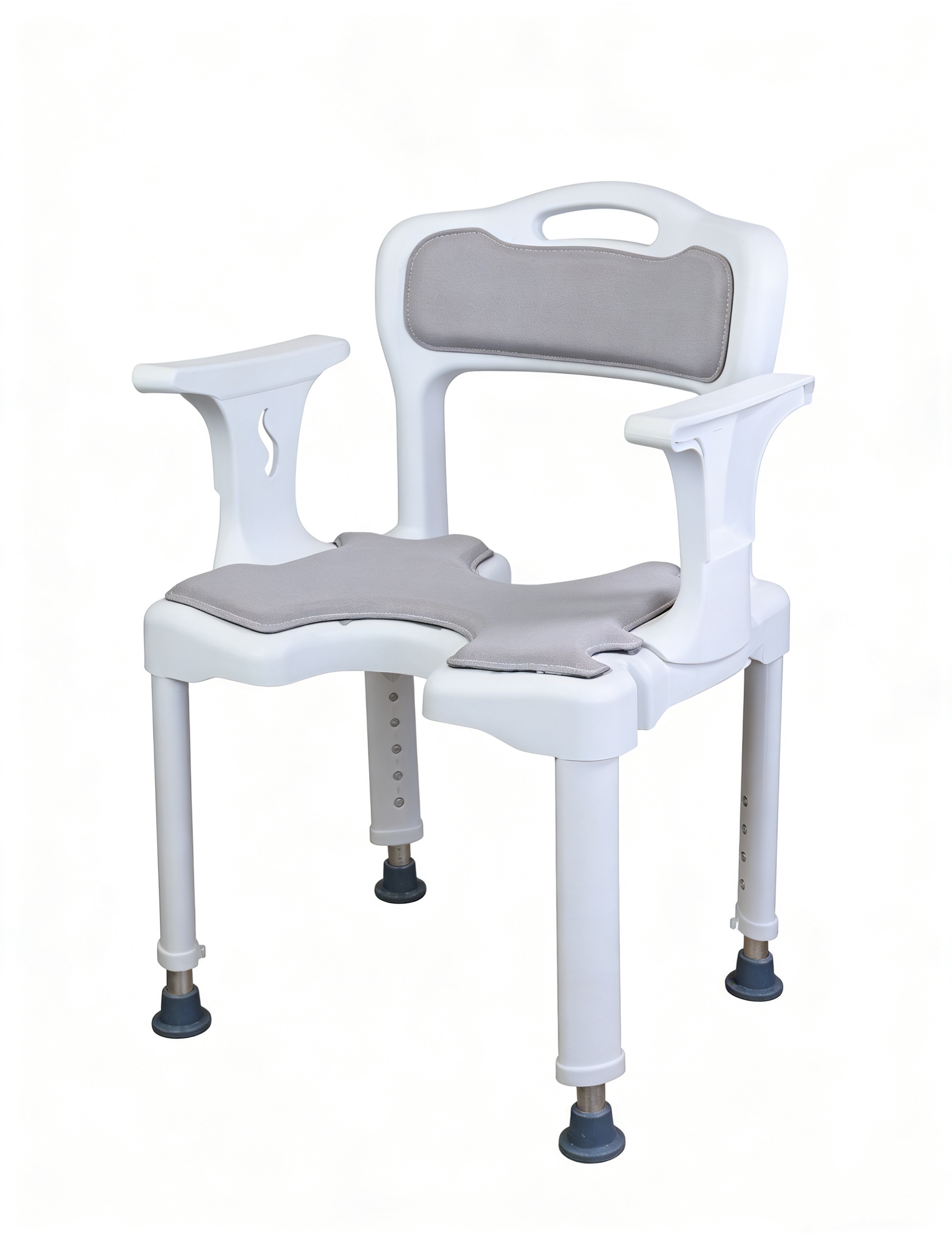
Slips in the shower are more common than most people realize—and for anyone with limited mobility, a simple bath bench can mean the difference between independence and a dangerous fall. Yet choosing the right seat and using it correctly is not always as straightforward as it seems. Drawing on years of hands-on experience as a bath bench supplier, Suncare shares the practical safety tips that too many product guides leave out. Whether you are recovering from surgery, caring for an aging parent, or simply want a more secure daily routine, these insights will help you create a shower setup that truly supports you.
Bench Height Mistakes That Make Transfers Feel Unsteady
Most transfer jitters come down to a bench that sits either too tall or too low, not from weakness alone. When the seat forces your hips to stay above your knees, you end up leaning forward and locking your ankles just to find the floor. That tiny forward slide is enough to make your feet feel disconnected from the ground, so the push-off becomes more of a controlled fall than a deliberate stand.
The other frequent issue is a bench that lets your knees drift too far over the edge or leaves your thighs only half-supported. In that position, your heel lifts early and your weight shifts toward the toes before you are actually ready to rise. A better starting point is often lower than people expect: hips slightly above the knees, feet flat, and enough bench under the thighs to let you hinge from the hips instead of reaching with the shoulders.
Small adjustments matter more than a full replacement. Try a folded mat to reduce depth, or a low platform under the feet if the bench cannot be changed. If you still feel yourself gripping the edge or holding your breath before standing, the height is still doing too much of the work.
How Floor Texture Changes the Bench Grip
Walk into any gym and you will notice that benches never feel quite the same from one rack to the next. That worn leather surface in the corner may grip your shirt like sandpaper, while a slicker vinyl bench near the front lets your shoulders slide just enough to break your setup. Most lifters blame the bench for a missed rep before they ever consider the floor underneath it.
The floor texture matters because it determines how much the bench itself can move under load. On rough concrete or rubber tiles, the bench feet bite in and stay planted, which means the padding takes the full force of your arch and leg drive. On polished wood or smooth epoxy, even a heavy bench can drift a few millimeters during a heavy set. That tiny shift forces your upper back to readjust mid-rep, and suddenly a bar path that felt locked in starts drifting toward your face or belly.
A simple fix is to test the bench before your first warm-up set. Sit on it, plant your feet hard, and push your traps into the pad. If the bench scoots or twists, look for a different spot or place a thin rubber mat under the legs. Once the base stops fighting you, the bench grip becomes predictable, and your setup stops changing from rep to rep.
Hidden Corrosion Is a Bigger Risk Than Visible Cracks
Surface cracks catch your eye right away, but the damage you can't see tends to run deeper. Corrosion works quietly beneath coatings, inside joints, and along fastener holes where moisture gets trapped long after the last inspection. By the time staining or flaking appears on the outside, the metal has often lost a meaningful share of its load-bearing capacity.
What makes hidden corrosion especially dangerous is how it spreads along grain boundaries and under intact paint, leaving the visible surface largely unchanged. A part can look solid on a walk-around check, yet fail under normal operating stress because the internal cross-section has thinned unevenly. Regular thickness measurements and borescope inspections in moisture-prone zones catch this before it turns into a structural surprise.
The practical takeaway is simple: don't let a clean exterior lower your guard. Pay extra attention to lap seams, drain holes, battery compartments, and any area where dissimilar metals meet. If the environment is humid or salty, assume corrosion is present somewhere you haven't looked yet and inspect accordingly.
Why a Backrest Can Reduce Strain on Wet Floors
On a wet floor, the usual work of keeping yourself upright becomes noticeably harder. Small stabilizing muscles through the hips, lower back, and abdomen stay in a low-level clench just to manage the slick surface underfoot. When you add a backrest, that lumbar support takes over part of the postural load. Instead of holding your torso in a rigid forward lean, you can settle the spine against a stable curve and let the larger muscles relax. The result is less fatigue around the sacrum and fewer of those tight, grabbing sensations that tend to build up after standing or working in a damp room.
The backrest also changes how you brace when your feet slip. Without support, a near-slip triggers a full-body stiffening response: the shoulders rise, the pelvis locks, and the lower back shortens to regain balance. That reflexive bracing is costly. With a backrest close behind, the body can use the contact point as a reference, so recovery relies more on the legs and less on the spinal erectors. Over time, that means less strain spread across the lumbar region, even when the floor stays slick.
There is also a subtler benefit in how the hips sit. On a wet surface, many people unconsciously hinge forward at the waist to keep weight over the balls of the feet. That forward shift flattens the natural lumbar curve and forces the back muscles to work like overstretched cables. A backrest nudges the pelvis into a more neutral position and gives the spine a place to rest without losing readiness. The support is not just about comfort; it reduces the background effort that normally turns a short task on wet ground into a long ache.
Soap Residue Builds Up Faster Than Most People Expect
Soap scum doesn't wait weeks to show up; it starts forming after the first few showers. Each time bar soap or body wash meets hard water, the minerals bind with fatty acids and leave behind a thin layer. That layer is easy to miss at first, but it keeps stacking with every use.
Because the buildup is gradual, many people only notice it once the shower door turns cloudy or the tile feels slightly rough. By then the residue has already locked onto the surface, making routine cleaning feel like a bigger job than it should be.
A quick rinse after each shower slows the process, but it rarely stops it completely. The real difference comes from staying ahead of that daily film so it never gets a chance to harden into stubborn spots.
When to Retire a Shower Bench Instead of Repairing It
A cracked seat or a wobbly frame doesn't always mean it's time to throw money at another patch job. If the bench has already been repaired twice for the same issue—say, loose brackets or peeling veneer—the cycle will likely repeat within months. Moisture works its way into hidden joints, and once the internal structure starts to soften, surface fixes become little more than temporary cosmetics.
Watch how the bench behaves under real use. A slight creak might be normal, but if it visibly flexes when you sit, shift your weight, or reach for a bottle, the load-bearing core has probably lost its integrity. At that point, tightening screws or adding adhesive won't restore the original stability. You're not fixing a problem anymore; you're delaying a failure that could send someone to the floor.
Also consider the finish itself. Deep discoloration, bubbling, or soft spots that feel spongy under pressure mean water has breached the protective layer. Once mold or mildew takes hold inside the material, scrubbing and resealing won't reach it. If the bench is more than eight to ten years old and shows two or more of these signs, replacement is usually cheaper and safer than another round of repairs.
FAQ
Measure the floor space where the bench will sit, but leave at least a few inches of clearance from the wall and curb so water can drain and you can stand safely. Foldable or wall-mounted models help in smaller stalls, while wider benches with backrests need more depth than many corner units allow.
Look for wide, rubberized feet that grip tile or acrylic instead of hard plastic caps. If the floor slopes toward a drain, choose a bench with independently adjustable legs so you can level the seat. After adjusting, press down on each side and give it a slight forward shove with your hand before sitting.
Aluminum frames resist rust but can be light, so a steel frame with a powder-coated finish is fine if the coating stays intact. Teak and bamboo seats look good and resist moisture, but they need regular drying. Plastic benches are easy to clean and will not corrode, though they may flex under heavier users.
Set the height so the person's knees are close to a right angle with feet flat on the shower floor. For most adults that means a seat around 17 to 19 inches high, but if the user has balance or leg strength issues, starting slightly higher can make standing up much easier.
Yes for anyone who tires easily or has poor trunk control, because it reduces the effort of sitting upright and gives a clear reference for where the body is in the shower. If space is tight, a small padded backrest or a wall-mounted fold-down bench with a back panel can still help without taking up permanent room.
Pick a seat with a textured or matte surface rather than a high-gloss finish. After each shower, rinse the seat with warm water and wipe it down with a soft cloth, because even a textured surface becomes slick when a film of conditioner builds up.
Do not rely on the marketing weight limit alone. Choose a bench rated at least 50 to 100 pounds above the user's body weight to account for movement, wet towels, or a sudden drop onto the seat. Heavy-duty models with reinforced cross braces are worth it if the bench will be used daily.
At least once a month, check that the leg joints are tight and the rubber tips are not cracked or clogged with hair. If you have hard water, wipe the metal parts with a dry cloth after use, and tighten any knobs or push-button pins as soon as they feel loose so a small wobble does not become a fall hazard.
Conclusion
A shower bench only feels steady when the seat height matches how you actually move. Too tall and feet lose contact, too low and knees do more work than they should during transfers. The floor surface matters just as much as the legs: textured tile, stone, or matte vinyl gives the rubber feet something to bite into, while glossy wet floors let the whole unit drift. Water that seeps past chipped coating or loose joints often hides corrosion inside aluminum or steel frames, so a bench that looks intact can fail without warning. If the legs wobble on flat ground or the frame flexes when you press down, treat it as a safety problem, not a cosmetic one.
Adding a backrest helps more on wet floors than most people assume, because it gives a second point of contact when reaching for soap or a towel and reduces the instinct to grip a damp wall. Soap residue and hard water film collect in crevices and under suction cups faster than expected, so rinsing the bench after each use matters more than an occasional deep clean. Check for softened plastic, corroded rivets, cracked joints, or any seat that shifts under weight. When those signs appear, replacement is usually cheaper and safer than trying to patch a shower bench that is already losing its structural grip.
Contact Us
Contact Person: Frank Chan
Email: [email protected]
Tel/WhatsApp: 0086-13924529088
Website: https://www.suncare-medical.com