

Carbon-Based Fertilizer Imports: A Complete Guide for Sustainable Agriculture
2026-08-07
As the world shifts toward greener farming practices, the demand for carbon-based fertilizers is skyrocketing—but navigating international supply chains isn't always straightforward. Whether you're a grower, distributor, or sustainability advocate, understanding the ins and outs of carbon-based fertilizer imports can make or break your soil health strategy. In this guide, we'll walk you through everything from sourcing and regulations to quality control, with insights from Tundrr that help streamline your journey toward truly sustainable agriculture. Ready to dig in?
Why Biochar and Humates Are Reshaping Soil Health
Modern agriculture faces a quiet crisis beneath the surface: soils depleted of organic matter, microbial life, and the structural integrity needed to sustain crops through drought, flood, and intensive use. Biochar and humates have emerged not as magic bullets, but as pragmatic tools for reversing this decline. Biochar, a stable carbon lattice created by heating biomass in low-oxygen conditions, provides a long-lasting refuge for water, nutrients, and microorganisms. Humates—concentrated humic and fulvic acids derived from ancient organic deposits—work more immediately, stimulating root growth, chelating minerals, and improving soil aggregation. Used together, they address both the chronic and acute symptoms of soil degradation.
The interplay between these amendments is what gives them their reshaping power. Biochar’s porous, high-surface-area structure acts like a subterranean apartment complex for beneficial fungi and bacteria, while humates deliver the biochemical signals that attract and sustain those microbial communities. In sandy soils, biochar cuts water loss and nutrient leaching; in heavy clays, humates open up micropores for air and root penetration. Farmers who blend them notice something beyond the sum of parts: a shift in the soil’s rhythm, where compaction eases, earthworm counts rebound, and crops hold on longer during dry spells. It’s a slow rebuild rather than a quick fix, relying on biology rather than brute force.
Skepticism is healthy when it comes to soil products, and the real-world results depend heavily on source material and application method. Not all biochar is equal—feedstock and pyrolysis temperature dictate its pH and recalcitrance—and not all humates are fully bioactive. But when matched to the specific texture and chemistry of a field, this combination offers a way to move beyond the treadmill of synthetic inputs. It returns to a principle that industrial agriculture forgot: resilient soil is built from carbon, not just nitrogen-phosphorus-potassium. The reshaping underway is as much philosophical as it is physical, urging growers to see soil as a living system that can be steered, not just mined.
Key Carbon-Based Fertilizers Entering the Global Market
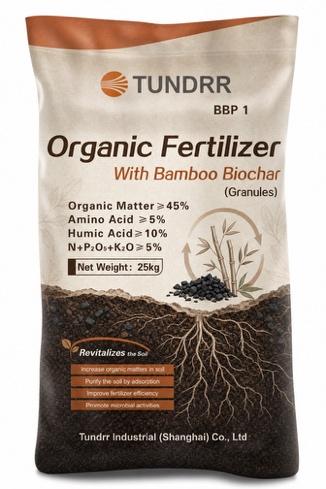
New formulations of carbon-based fertilizers are steadily making their way into international markets, driven by a growing demand for sustainable farming inputs. Unlike conventional synthetics, these products are built around biochar, humic substances, or other stable organic carbon sources that improve soil structure, water retention, and nutrient delivery over time. Their gradual release mechanisms help reduce runoff and emissions, which has caught the attention of both large-scale commodity growers and specialty crop producers looking for resilient soil solutions.
Several distinct types are gaining traction across continents. Biochar-based blends, often enriched with compost or microbial inoculants, are being adopted in regions battling soil degradation, including parts of Southeast Asia and sub-Saharan Africa. Meanwhile, humic and fulvic acid concentrates are appearing in fertigation systems throughout Europe and North America, valued for their ability to chelate micronutrients and stimulate root development. A newer wave of products combines these carbon sources with precision fermentation byproducts, creating hybrid fertilizers that deliver both immediate nutrition and long-term soil carbon sequestration benefits.
Market entry strategies vary significantly, with some manufacturers targeting organic certification channels and others positioning their goods as conventional efficiency boosters. Distributors in Latin America, for instance, are blending local agricultural residues into region-specific formulas, while Asian producers focus on compact granulation for ease of transport. As regulatory frameworks evolve to recognize carbon farming practices, these fertilizers are moving from niche to mainstream, reshaping procurement patterns among agribusinesses and cooperatives aiming to meet corporate sustainability targets without sacrificing yield.
Customs, Compliance, and Quality Standards You Can’t Ignore
Until you’ve had a container held at port because of a mismatched HS code, you might not fully grasp the weight of customs diligence. It’s never just paperwork — it’s the difference between a smooth landing and a costly demurrage headache. Every country layers its own nuance onto the basic Harmonized System, and missing a regional requirement can stall your goods for weeks. Smart importers build relationships with local brokers who understand the unwritten rhythms of their ports, not just the tariff schedules. They know when a seemingly minor oversight turns into a red flag that pulls your shipment aside for physical inspection.
Compliance isn’t a department — it’s a thread that runs through every decision, from raw material sourcing to final delivery. The most dangerous assumption you can make is that what worked last year still holds today, especially with rapidly shifting regulations around product safety, labeling, and restricted substances. A single batch of nonconforming goods can trigger a recall that costs far more than lost revenue; it can erode the trust you’ve spent years building. The companies that stay ahead are the ones that treat compliance as a continuous loop rather than a checkbox audit, weaving it into design, procurement, and logistics without needing a crisis to remind them why it matters.
Quality standards, on the surface, seem like a technical topic best left to engineers. But those standards become very real when a shipment reaches the customer’s hands. You can negotiate price all day long, but you can’t negotiate tolerance — it’s either within spec or it’s not. What trips up many operations is the gap between the reference sample and mass production, where small deviations accumulate until they’re no longer small. Consistent quality doesn’t happen by accident; it requires a chain of accountability that stretches back to the factory floor, backed by inspections that aren’t afraid to pause a line when something looks off.
Sourcing Smart: How to Vet International Suppliers
Finding the right international supplier can make or break your business. It’s not just about the lowest price—quality, reliability, and communication matter just as much. A smart sourcing strategy starts with thorough vetting to avoid costly mistakes, from subpar products to shipment delays that damage your reputation. Taking the time upfront to verify a supplier’s credentials pays off in the long run.
Begin by requesting documentation: business licenses, certifications, and trade references. Don’t stop at paper—schedule a video call to tour their facility and observe operations in real time. Ask about their production capacity, quality control processes, and how they handle defects. If possible, commission a third-party factory audit or order samples from different batches to check consistency. Pay attention to how promptly and clearly they communicate; evasiveness or vague answers are red flags.
Beyond the initial checks, build a relationship grounded in transparency. Set clear expectations through a detailed contract that covers specifications, payment terms, and intellectual property protection. Start with a small trial order to test their performance under real conditions. Even after you’ve established trust, continue monitoring quality and delivery times to catch issues early. A vetted supplier isn’t a one-time stamp of approval—it’s an ongoing partnership that needs care and attention.
Blending Carbon Inputs with Local Soil Types
Matching carbon amendments to local soil textures often feels like pairing wine with food—get it right and the whole system sings. A sandy loam in the coastal plains drinks up compost almost too fast, leaching nutrients before roots can grab them, while heavy clay in the Piedmont locks that same compost into tight aggregates that break down at a geological pace. Farmers here have learned to watch their dirt’s behavior under rain and sun, then adjust their carbon inputs like a dial, not a switch.
Biochar, for instance, behaves entirely differently depending on the mineral backdrop. In the volcanic soils of our western valleys, it integrates into the andisol structure almost seamlessly, boosting water retention without disrupting the natural porosity. But spread that same biochar on the calcareous crusts of the plateau, and it can initially repel water, requiring a few seasons of microbial conditioning to develop that coveted soil glaze. It’s a reminder that a universal application rate is a myth; each parcel asks for its own calibration through trial and observation.
Cover crop cocktails offer another layer of this blending act. In the silty loess of the central belt, a mix of cereal rye and crimson clover can punch through compaction while fixing nitrogen, but the ratio must shift on the iron-rich red clays to avoid nitrogen lock-up. Some growers now use a hybrid approach: they terminate cover crops with a flail mower, letting the residue lie on the surface of the clay to shield it from crusting, while on sandy ground they disc it in lightly to slow decomposition and build a temporary organic mat. This kind of nuanced choreography with local soil types turns carbon input from a chore into a silent conversation with the land.
The Real Economics of Imported Carbon Fertilizers
Imported carbon-based fertilizers, while often marketed as a sustainable solution for soil health, carry hidden economic burdens that go beyond the upfront price tag. The real cost includes volatile shipping expenses, currency exchange risks, and the cascading effects of supply chain disruptions. Farmers in importing nations frequently face price spikes that can erase thin profit margins, especially when geopolitical tensions or logistical bottlenecks delay deliveries. These factors turn what appears to be a reliable input into a financial gamble, forcing growers to weigh short-term yield promises against long-term budget stability.
A deeper look reveals an imbalance in how the true value is distributed along the supply chain. Producers in exporting countries often benefit from lower production costs due to lax environmental regulations or subsidized energy, effectively externalizing pollution costs. Meanwhile, importing regions absorb the downstream consequences—soil acidification from overapplication, reduced on-farm carbon sequestration potential, and the opportunity cost of not developing local organic waste-to-fertilizer systems. The economic equation shifts further when factoring in the carbon footprint of long-distance transport, a contradiction that undermines the environmental narrative these products rely on.
To grasp the real economics, one must account for the alternatives lost. Money spent on imported carbon fertilizers is capital that does not flow into local composting infrastructure, cover cropping initiatives, or regenerative grazing practices that build soil carbon in situ. These homegrown approaches, though slower to show results, create durable economic resilience by keeping nutrients cycling within regional ecosystems. When viewed through a full-cost lens, the appeal of imported carbon fertilizers dims, exposing a system that often transfers wealth away from the very soils it claims to enrich.
FAQ
Carbon-based fertilizers come from organic matter like biochar, compost, or humus, rather than being chemically synthesized. Their key distinction is the high stable carbon content, which enriches soil biology and structure, whereas traditional fertilizers mostly deliver a quick boost of nitrogen, phosphorus, and potassium with little lasting benefit to the soil itself.
They actively rebuild soil health by feeding the microbial life that supports roots, which improves water-holding capacity and cuts runoff. Over time, they also lock carbon underground, making fields more resilient to drought and reducing the overall environmental footprint of farming.
Prioritize consistent carbon content and transparent feedstock sourcing—avoid anything from contaminated waste streams. Certifications like OMRI or European organic seals help verify quality, but always request lab results for heavy metals and check that the product’s physical form (powder, pellets, liquid) suits your spreading equipment.
Regulations vary widely: many countries classify them under organic input rules, so you’ll often need proof of origin and pathogen-free certification. Biosecurity restrictions can block shipments if the material isn’t properly treated, and customs may require detailed composition analysis to clear the product as fertilizer rather than waste.
It’s rarely a straightforward comparison—bulk shipping can make large orders cheaper, but duties, port fees, and currency swings often erase the advantage. Domestic sources cut delivery time and transport emissions, though they might lack the unique properties, like specific micronutrient profiles, that a particular imported product offers.
Moisture absorption during shipping can spoil bagged product or cause mold, and lightweight bulky materials push up freight costs unexpectedly. Quality inconsistencies between batches and navigating the paperwork required by both exporting and importing agricultural agencies are constant headaches.
They’re adaptable to most setups—from market gardens to broadacre crops—but the application strategy must match the system. In no-till systems, for instance, you’d typically surface-apply prilled or pelletized forms, while conventional plow-based farms can incorporate powder more deeply. The biggest success factor is adjusting rates to your soil’s existing organic matter level.
Conclusion
The global shift toward regenerative farming is fueling demand for carbon-based fertilizers like biochar and humates, prized for their ability to rebuild soil structure, boost microbial life, and lock away carbon. These inputs aren't just amendments—they're strategic tools for long-term soil resilience. As products like wood vinegar, lignite-derived humic acids, and composted biochar gain traction, knowing what enters the market matters. Farmers and importers must navigate a maze of customs classifications, phytosanitary certificates, and quality benchmarks such as the European Biochar Certificate or IBI standards. Overlooking these can stall shipments or invite compliance risks, making technical documentation and lab analysis non-negotiable parts of the supply chain.
Sourcing from overseas suppliers demands more than price comparisons. Vetting producers through site audits, third-party testing for heavy metals, and verifying consistent feedstock origins prevents costly quality failures. Once the product arrives, blending biochar or humates with local soil types is part science, part instinct—adjusting pH, nutrient profiles, and application rates to fit regional conditions. The economics reveal a tipping point: while upfront costs for imported carbon fertilizers are higher, reduced synthetic inputs and yield resilience often justify the investment. Success lies in treating these materials not as commodities, but as customizable solutions that evolve with your land.
Contact Us
Contact Person: Ellen Zhang
Email: [email protected]
Tel/WhatsApp: +86(21) 2287 6756
Website: https://www.tundrr.com/en/