
Choosing the Right Double Shaft Shredder: A Comprehensive Guide for Optimal Performance
2026-04-17
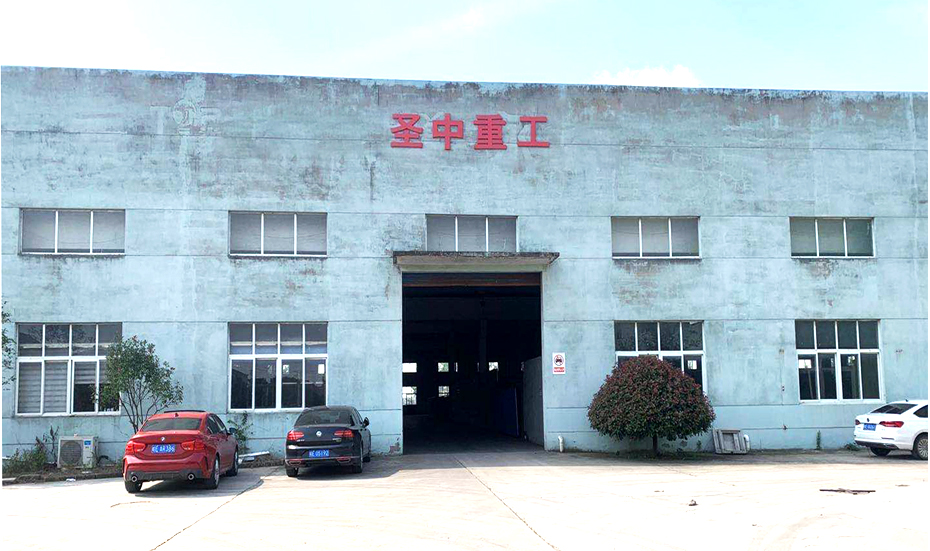
In the world of industrial waste management, selecting the perfect double shaft shredder can be the difference between streamlined efficiency and costly downtime. As operations grow more complex, the need for reliable, high-performance equipment becomes paramount. That's where Shengzhong Shredder steps in—offering cutting-edge solutions designed to tackle even the toughest materials with precision.
This comprehensive guide dives deep into what makes a double shaft shredder truly exceptional, from torque and blade design to maintenance and safety features. Whether you're handling plastics, metals, or organic waste, understanding these key factors will help you optimize performance and extend equipment life. Ready to transform your shredding process? Let's explore how to choose the right machine for your needs.
Understanding Double Shaft Shredder Basics for Efficient Material Processing
Double shaft shredders are the heavy hitters in material processing, standing out with two counter-rotating shafts that tear through materials with unmatched efficiency. Unlike single-shaft models, they use interlocking cutters on each shaft to grab and shred materials simultaneously, reducing jams and handling tougher loads like plastics, wood, or industrial waste. This design not only boosts throughput but also ensures a more consistent output size, making them a go-to for recycling plants and manufacturing facilities that need reliable, high-volume processing.
What sets a double shaft shredder apart is its adaptability. With adjustable cutting gaps and interchangeable blades, it can be tailored for various materials, from soft rubber to hard metals. This flexibility minimizes downtime for reconfiguration, allowing operators to switch between jobs seamlessly. Plus, the slow-speed, high-torque operation reduces noise and energy consumption compared to faster shredders, offering a quieter, more cost-effective solution without sacrificing power—ideal for environments where efficiency and sustainability are priorities.
Safety and durability are key advantages, too. The dual-shaft mechanism often includes overload protection to prevent damage from unexpected contaminants, while rugged construction extends the machine's lifespan under continuous use. This reliability translates to lower maintenance costs and less operational risk, helping businesses streamline their material processing workflows with confidence.
Key Features to Evaluate When Selecting a Double Shaft Shredder
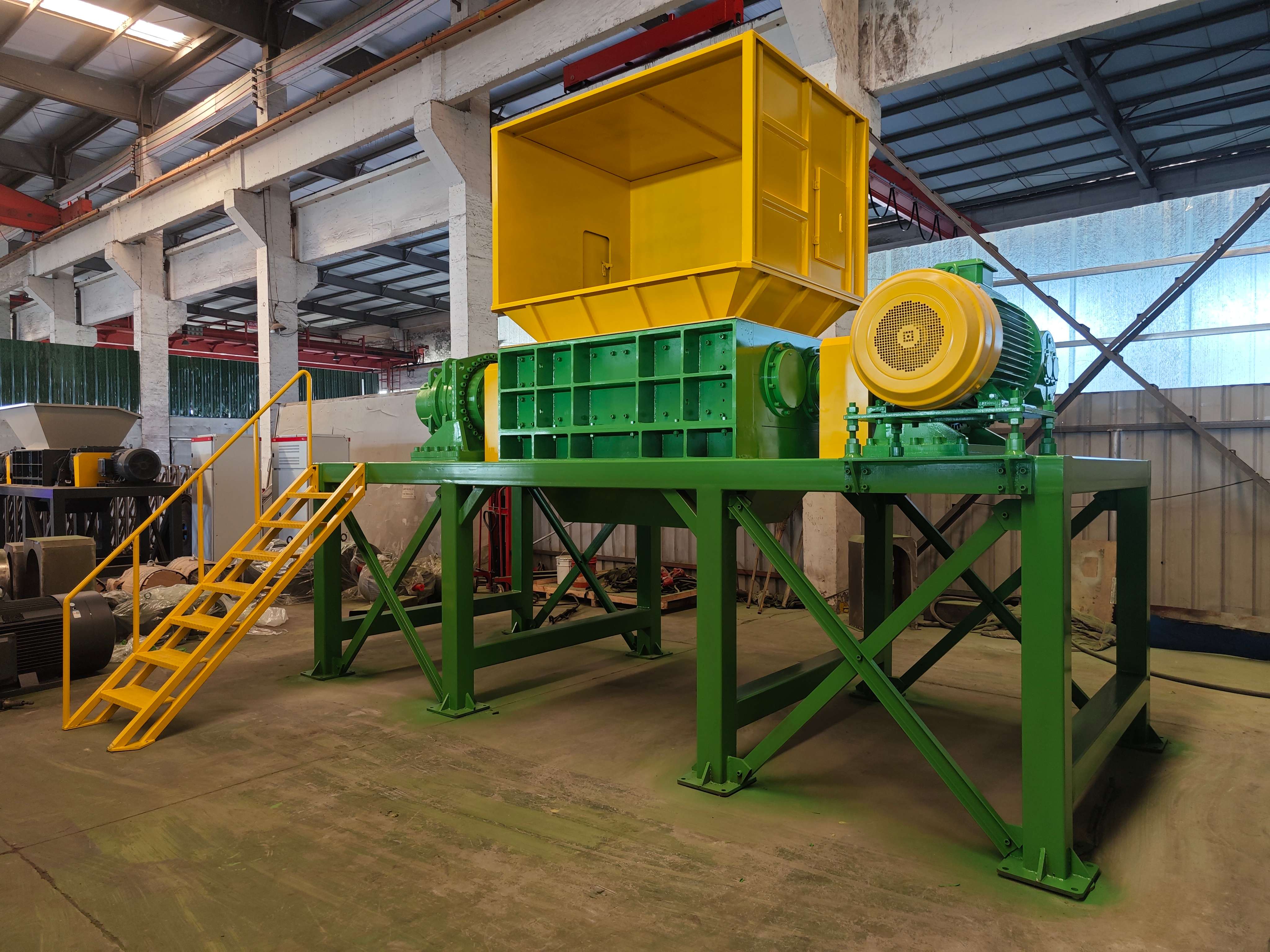
When shopping for a double shaft shredder, it's crucial to look beyond basic specs and consider the machine's overall reliability and performance. Focus on the motor's power output and torque capacity—these elements ensure the shredder handles tough materials without constant jams. A robust hydraulic system that drives the shafts smoothly can make a significant difference in day-to-day operations, reducing maintenance headaches and boosting efficiency.
Another key aspect is the design of the cutting chamber and blades. Opt for models with hardened steel or alloy blades that resist wear, as they'll maintain sharpness longer and produce more consistent shreds. Pay attention to the gap between the shafts; adjustable settings allow you to fine-tune the output size based on the material, like plastics, wood, or metals, giving you versatility without needing multiple machines.
Don't overlook safety and control features, such as overload protection and easy-access emergency stops, which prevent damage and protect operators. Noise levels and dust management systems are also worth evaluating—they contribute to a safer, more comfortable work environment and help meet regulatory standards. By prioritizing these integrated factors, you'll invest in a shredder that not only meets your needs but stands out for its durability and user-friendliness.
Material Compatibility: Matching Your Shredder to Specific Waste Types
Choosing the right shredder isn't just about power or speed—it's about ensuring the machine can handle the specific types of waste you need to process. Material compatibility is crucial because using an incompatible shredder can lead to frequent jams, accelerated wear, and even safety hazards. For example, a standard paper shredder might struggle with plastics or metals, while industrial-grade models are built to tackle tougher materials like wood or electronic waste. Start by assessing your waste stream: categorize items by their physical properties, such as hardness, flexibility, and density, to match them with a shredder designed for those characteristics.
To truly optimize performance, consider specialized shredders tailored to distinct waste types. For organic materials like food scraps or garden waste, a slow-speed, high-torque shredder with sharp blades works efficiently, whereas for brittle plastics or glass, a shredder with crushing mechanisms might be more effective. Look for features like adjustable screens or customizable blade configurations, which allow you to fine-tune the output size based on the material. This not only enhances efficiency but also ensures the shredded material is suitable for recycling or disposal, reducing environmental impact and operational costs.
Beyond basic matching, innovative shredder technologies are emerging to handle mixed or complex waste streams. For instance, dual-shaft shredders can process a variety of materials simultaneously, from cardboard to light metals, by using interlocking blades that tear and shear. Always verify manufacturer specifications and conduct tests with sample materials if possible, as real-world conditions can reveal nuances not captured in ratings. By prioritizing material compatibility, you'll extend your equipment's lifespan, boost productivity, and achieve better waste management outcomes tailored to your unique needs.
Maintenance Tips to Extend the Lifespan of Your Double Shaft Shredder
When it comes to keeping your double shaft shredder running smoothly for years, a few simple habits can make all the difference. Regular lubrication of the cutting shafts and bearings is key; aim to do this every 40-50 hours of operation, using a high-quality industrial grease to reduce friction and wear. Don't forget to check for loose bolts and worn blades—tightening or replacing them promptly can prevent costly breakdowns and keep your machine shredding efficiently.
Another often-overlooked aspect is managing the material feed to avoid overloading the shredder. Sticking to the recommended capacity helps prevent motor strain and overheating, while also ensuring consistent shredding performance. It's a good idea to establish a quick daily visual inspection routine to spot any signs of damage or debris buildup before they escalate into bigger issues.
Lastly, keep your shredder clean after each use, especially around the cutting chambers and discharge areas, to prevent material residue from hardening and causing jams. Scheduling professional check-ups annually can catch hidden problems early, extending the machine's overall lifespan and saving you time and money in the long run. By integrating these practices into your maintenance schedule, you'll not only boost durability but also maintain optimal shredding quality.
Safety Protocols and Operational Best Practices for Shredder Use
Shredder safety starts long before you even flip the switch. It's not just about following a checklist; it's about cultivating awareness. Always inspect the machine for any debris or obstructions that could jam the blades and cause a sudden stop or spark. Keep the area around the shredder clear of clutter, ensuring no loose clothing or jewelry gets caught. Remember, a calm and focused operator is less likely to make hasty moves that could lead to accidents.
Operational best practices go beyond basic usage to enhance efficiency and extend the shredder's lifespan. Avoid overloading the feed—stick to the manufacturer's recommended capacity to prevent motor strain and uneven shredding. Vary the types of documents you shred to give the machine a balanced workout, reducing wear on specific parts. And don't forget regular maintenance: a quick wipe-down and a drop of oil on the blades can make a world of difference in performance.
When it comes to shredder use, thinking ahead can save both time and resources. Implement a routine for checking and disposing of shredded materials to prevent buildup and fire hazards. Train all users on these protocols, making safety and best practices a shared responsibility. By integrating these habits, you not only protect your equipment but also foster a culture of security and diligence in your workplace.
Cost-Benefit Analysis: Maximizing ROI with the Right Shredder Choice
Making a smart shredder purchase involves more than just picking the cheapest option upfront. A thorough cost-benefit analysis starts by looking beyond the sticker price and assessing total ownership costs. Consider expenses like maintenance, energy consumption, and replacement parts over the shredder's lifespan. High-quality models often prove more economical long-term because they last longer and require fewer repairs. Understanding how these costs interact helps you avoid buying a bargain shredder that ends up costing you more in downtime and replacements within a few years.
The benefits side of this equation revolves around how well the shredder meets your specific needs and protects sensitive information. For example, a shredder with enhanced security features, like cross-cut capabilities, can prevent data breaches, safeguarding your business from potential fines and reputational damage. Think about operational efficiency too—shredders that handle higher volumes or diverse materials save employees time and reduce frustration. These productivity gains translate directly into improved ROI, making it worthwhile to invest in a machine that aligns with your daily workflows and security requirements.
To truly maximize ROI, tailor your choice to match your organization's scale and shredding demands. Small offices might find a desktop shredder sufficient, while larger enterprises often benefit from industrial-grade models that handle bulk shredding with ease. Also, factor in environmental benefits, such as choosing energy-efficient shredders that lower utility bills or models that support recycling efforts. By weighing these personalized factors against costs, you ensure your investment not only fits your budget but also delivers tangible value, enhancing both security and efficiency in the long run.
FAQ
Focus on material type, throughput capacity, and shredder construction. For example, tough metals require hardened steel blades, while high-volume operations benefit from larger motors and feed hoppers.
Assess your daily waste volume and peak load periods. A shredder with a slightly higher rated capacity than your average need can handle surges without compromising efficiency or causing downtime.
Implement regular blade inspections and sharpening, lubricate bearings as per manufacturer specs, and clear jams promptly. Scheduling routine checks every few months based on usage can prevent major failures.
Yes, they are versatile, but performance varies. For mixed plastics and metals, use adjustable blade clearances and consider pre-sorting to reduce wear. Consult with suppliers for tailored solutions.
Higher motor power enables faster shredding of denser materials but increases energy use. Balance this by choosing a motor aligned with your typical material hardness to optimize cost and output.
Ensure built-in emergency stops, overload protection, and secure guarding. Training operators on lockout procedures and using safety sensors can significantly reduce accident risks.
Start with a modular unit that fits current conveyors, and plan for future scalability. Leasing options or refurbished models might offer savings without sacrificing reliability.
Research local noise, dust, and emission standards. Opt for shredders with enclosed designs or add-on filters to comply, and document shredding processes for regulatory audits.
Conclusion
Choosing the right double shaft shredder is essential for achieving optimal performance in material processing, emphasizing both efficiency and durability. This guide underscores the importance of understanding the shredder's basic operation, which involves two counter-rotating shafts that tear materials apart, reducing waste volume effectively. By evaluating key features like motor power, cutting mechanisms, and control systems, users can ensure compatibility with specific waste types, from plastics to metals. Integrating material compatibility assessments helps match the shredder to the intended application, preventing operational issues and maximizing throughput. Additionally, proper maintenance and safety protocols are critical for extending the machine's lifespan and ensuring operator well-being, which are fundamental aspects of a comprehensive selection process.
A well-chosen double shaft shredder not only meets immediate processing needs but also contributes to long-term cost-effectiveness. The cost-benefit analysis component highlights how investing in the right equipment can maximize return on investment by reducing downtime, maintenance costs, and energy consumption. This holistic approach, blending technical specifications with practical considerations like ease of operation and compliance standards, allows businesses to adapt to varying waste streams. Ultimately, following this guide leads to enhanced shredder performance, supporting sustainable waste management and operational excellence in diverse industrial settings.
Contact Us
Contact Person: Leon
Email: [email protected]
Tel/WhatsApp: 8615385558866
Website: https://www.shred-waste.com