

Forged Steel Globe Valve OEM What to Look for in a Manufacturing Partner
2026-11-16
Choosing a manufacturing partner for forged steel globe valves can make or break your supply chain. The right OEM does more than deliver parts—they safeguard tolerances, traceability, and long-term performance under demanding conditions. Whether you are sourcing for oil and gas, power generation, or industrial processing, knowing what to evaluate early prevents costly failures later. This guide walks through the practical points that separate dependable suppliers from risky ones, with insight from CRXV on building a partnership that holds up when pressure rises.
Where Does the Forging Really Come From?
Ask a room full of smiths where forging comes from and the answers drift like smoke from a coal fire. Some point to the first time someone noticed that certain rocks turned soft in heat. Others talk about the moment a hammer met hot iron and the brittle bloom finally agreed to hold a shape. The truth is less a single invention than a slow, stubborn conversation between hands, fire, and metal.
Before there were names for alloys or standardized grades, forging was already tied to place. The charcoal, the ore, the water used for quenching, even the way a valley's wind fed the draught, all left their fingerprints on the finished piece. A blade made in one village could feel entirely different from one made twenty miles away, not because the smiths read different manuals, but because the raw conditions refused to be copied.
That local texture still matters, even when the work is done with modern hammers and controlled atmospheres. The real origin of a forged component isn't a factory line or a badge. It sits in the decisions made before the first heat: which material to accept, how long to soak the steel, when to stop striking and let the grain settle. Strip away the wrapping, and the forging still comes from judgment, most of it invisible and some of it unrepeatable.
Can They Prove Every Heat Number?
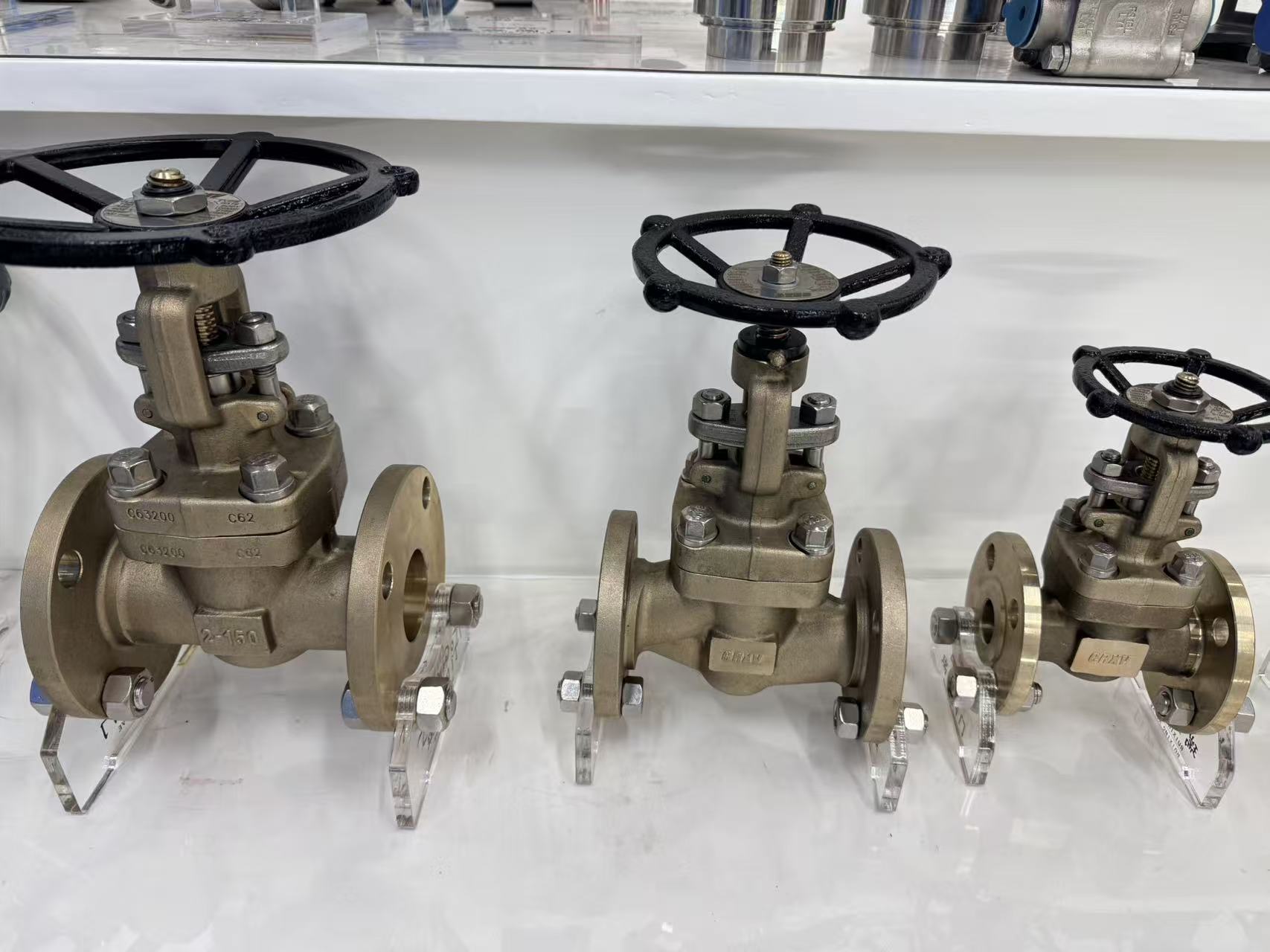
A heat number only means something if the paperwork trail behind it holds up. Many distributors can point to a number on a certificate, but ask them to trace that exact number through receiving, cutting, and shipping and the answer gets quieter. The real test is whether the tag survives every transfer without being guessed at or re-created for convenience.
Some operations treat heat identity as a physical chain. The marking is checked at each stage, remnants stay labeled, and the final invoice carries the same code that left the mill. Others rely on trust or visual memory once a bundle is broken. That difference is why a simple yes or no rarely tells you enough.
What matters is not just the ability to produce a certificate, but the habit of recording heat numbers even when no one is watching. Facilities that can prove every heat number tend to have disciplined receiving logs, clear remnant labeling, and a low tolerance for mixed stock. Without those habits, the number on paper becomes a formality rather than evidence.
What Happens When a Globe Valve Fails a Pressure Test?
A failed pressure test on a globe valve rarely changes the valve's outward appearance. The test stand gauge may show a slow, steady loss of pressure, or a technician may spot a thin stream of water at the stuffing box, flange joint, or seat. Shell leaks from cast-in defects often appear as damp spots on the body. Seat leaks are quieter and may only become obvious after the downstream side is isolated and checked with a bubble solution or a watching pressure gauge.
Once failure is confirmed, the valve is tagged and moved to a quarantine area for tear-down. Common culprits include misaligned stems, cracked discs, foreign material trapped between the seat and disc, or a bonnet gasket that did not seat evenly during assembly. In some shops a failed seat test triggers a repeat lapping operation, while in others the entire trim set is replaced rather than trying to patch a marginal sealing surface.
From a production standpoint, a pressure test failure stops the release process until the root cause is documented and corrected. It can delay a batch, force a re-hydrotest after repair, and in severe cases trigger review of other valves from the same heat of material. The immediate failure is inconvenient, but catching it before installation is far less costly than discovering a leak in service.
Who Signs Off on Material Deviations?
Material deviations rarely live in one department's inbox for long. A substitution in raw stock, a surface finish that drifts outside print, or a revised heat treatment almost always pulls in the people who own the downstream consequences. In most shops, the first signature is a materials engineer or a quality engineer who can confirm whether the deviation changes form, fit, or function. Without that technical judgment, the rest of the approval chain is guessing.
After the technical review, the signature tends to move toward whoever holds the relationship with the customer or the regulatory body. On build-to-print work, that often means an engineering manager or program lead signs only after the customer's own approval is on file. For commercial off-the-shelf parts, internal sign-off may stop with a quality director, provided the deviation does not affect safety, performance, or interchangeability.
A few organizations keep a standing material review board, but even then the authority to sign is usually tied to risk level. Minor cosmetic deviations might close with a manufacturing engineer and quality representative, while anything touching structural properties or traceability moves up to a chief engineer or a designated airworthiness representative. The real signature requirement is not just a name; it is evidence that the right technical and contractual voices accepted the trade-off.
Are Their Machining Tolerances Backed by Inspection Data?
A shop can stamp ±0.001 in on a quote, but the number only becomes credible when there is a measurement record behind it. If they hesitate to share first article data or act like inspection reports are a special request, that is usually a warning sign.
Request inspection data tied to an actual part number or batch, not a glossy capabilities list. Raw CMM output, surface finish readings, and dated in-process checks tell you whether the tolerance was proven on your geometry or just borrowed from a machine brochure.
It also helps to notice how the shop uses that data. One that reviews dimensional drift, investigates out-of-trend results, and adjusts offsets before parts go out of spec is running a controlled process rather than hoping the machine holds tolerance.
How Do They Handle Rush Orders Without Cutting Corners?
Rush orders usually mean someone upstream dropped the ball, but the team treats that as a scheduling problem rather than an excuse to skip steps. They start by mapping the critical path and flagging which parts can safely overlap without affecting fit, finish, or durability. Instead of pulling people off other jobs blindly, they pull from a small bench of cross-trained staff who already know the product line, so the extra speed comes from fewer handoffs, not from rushed workmanship.
Materials get checked before the order is accepted. If the usual stock won't arrive in time, they confirm an approved substitute with the customer or pull from reserved inventory only when it matches the spec. That way the rush doesn't quietly downgrade the raw inputs. On the floor, quality checks stay in place; they just move closer together, with the same measurements taken at tighter intervals so a problem shows up in minutes instead of after the batch is done.
The final check is non-negotiable, even if the courier is already waiting. They would rather call the client with a realistic fifteen-minute delay than ship something that needs rework later. Most rush orders go out on time because the team shortens waiting time and setup time, not the actual build or inspection time that protects the result.
FAQ
A dependable partner owns or tightly controls the forging process. They can show how raw bar or billet is heated, forged, and heat-treated, and they understand how grain flow affects pressure retention. Basic shops often only buy rough blanks and machine them without real control over the material's internal structure.
Forging compresses the steel's internal structure, which reduces porosity and gives more consistent mechanical properties. In high-pressure or thermal cycling service, that means fewer leak paths and better fatigue resistance than a cast body with the same nominal rating.
Ask for a copy of a recent hydrostatic and pneumatic test chart with timestamps, pressure readings, and operator sign-off. Also ask whether they allow witnessed testing. A manufacturer that hesitates to show raw test data or refuses third-party witness is often relying on paperwork rather than verification.
At minimum, you want heat-specific material test reports, pressure test certificates, dimensional inspection sheets, and positive material identification on the body and bonnet. If the valve has hardfaced trim, ask for weld procedure details and hardness readings on the seating surfaces.
Watch for vague answers about the forging source, incomplete heat numbers, test reports that look reused, and quoted lead times far below the industry norm. If they cannot explain their heat treatment cycle or show photos of the machining and assembly area, treat that as a warning sign.
Customization matters if you need special end connections, non-standard materials, or adjusted trim characteristics. A strong OEM will review your actual service conditions, propose a specific trim and packing arrangement, and produce a drawing for approval before cutting metal. If every request is met with only a standard datasheet, you are likely limited to commodity valves.
In-house machining allows a manufacturer to control stem-to-seat alignment, gland tolerances, and sealing surface finish. That directly affects how well the valve shuts off and how long the packing lasts. When machining is outsourced, you often see variation from batch to batch that no final inspection can fully correct.
Request a spare parts breakdown for a sample valve and ask how long they retain records for each serial number. The better partners keep dimensional records and trim details for years, which means future spare parts match without re-engineering. If they cannot produce a clear bill of materials, long-term maintenance will become your problem.
Conclusion
Sourcing a forged steel globe valve partner comes down to whether the supplier can actually stand behind the metal, not just the finished casting. Ask where the forging originates and whether the mill heat numbers follow every component through machining, assembly, and final inspection. A shop that cannot trace a valve back to its original heat treats traceability as an afterthought, and that is where material mix-ups begin. If a material substitution is ever proposed, the approval should come from someone with engineering authority, not a sales coordinator trying to keep a shipment on schedule. Without that sign-off, the paperwork means very little.
Testing and measurement reveal more than a catalog photo. When a globe valve fails a pressure test, the response should be a documented root cause and a corrective action, not a quiet retest after a quick lapping job. Machining tolerances need to be backed by inspection data, with actual measured values tied to a serial number rather than a generic certificate. Rush orders are the real test: a reliable partner shortens lead times by pulling from verified inventory, adding shifts, or re-sequencing work, but still keeps pressure testing, traceability, and final dimensional checks intact. If any of those steps disappear under time pressure, the cost usually lands on the end user later.
Contact Us
Contact Person: TIM
Email: [email protected]
Tel/WhatsApp: 8615857807381
Website: https://www.crxv.com/en/