

Fully Automatic Paper Bag Machine Maker Features That Boost Packaging Efficiency
2026-11-16
Packaging lines live and die by speed, but speed alone rarely tells the whole story. One mechanical bottleneck at the forming station can quietly erase every gain made upstream. That is why the latest fully automatic paper bag machines deserve a closer look—not just for faster cycles, but for how they turn precision feeding, creasing, and folding into predictable output. ROKIN has focused on exactly that intersection, where smarter motion and sturdier construction meet the daily pressure of high-volume production. In the sections ahead, we break down the features that actually move the needle on packaging efficiency, from reduced changeover time to more stable bag geometry, so you can judge the equipment by what it delivers, not by what the brochure promises.
Feeding Systems That Stop Jams Before They Start
A jam on the line rarely announces itself with a warning light. It begins as a subtle shift in material flow, a slight misalignment that compounds until the whole feeder locks up. The best feeding systems don't just react to those moments; they're built to neutralize them before friction ever has a chance to build. That means looking past the bowl and track to the actual behavior of the parts, how they settle, how they slide, and where the first hint of resistance tends to appear.
The difference usually comes down to geometry and surface finish. A feeder tuned to the true center of gravity of each component, rather than some averaged guess, lets parts move without crowding at the discharge. Coatings matter too: a low-friction track can turn a previously sticky corner into a smooth transition. And when the drive unit is sized properly for the load, there's no overshooting, no vibrating the parts into a locked wedge. These aren't high-tech add-ons; they're the kind of careful choices that keep a line moving shift after shift.
What surprises most operators is how little extra cost is involved. The real investment is in measuring the actual part flow, not just trusting a catalog spec. Once the feed angle, track width, and release point are dialed into the specific component, the system stops fighting itself. Jams don't disappear because someone added a sensor; they disappear because there's no physical situation left that invites them.
High-Speed Forming Without Ripping Lighter Paper
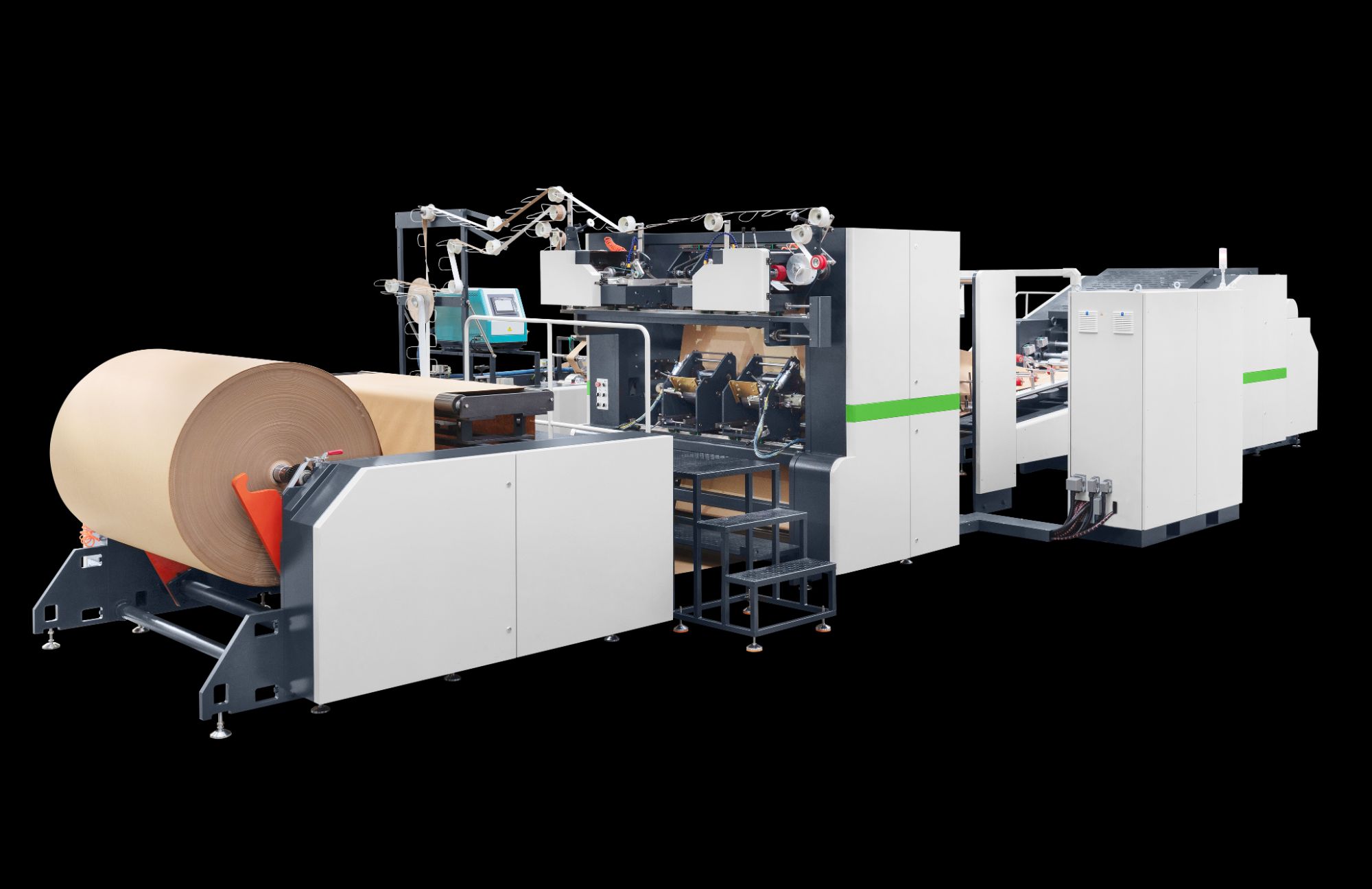
Running lighter stock at high line speed usually exposes the weakest point in the sheet before it has built enough wet-web strength. The tear almost never starts in the middle of the web; it begins at an edge defect, a slime hole, or a sudden draw change between the forming fabric and the pickup felt. Keeping the jet-to-wire ratio close to neutral and reducing open draw tension can remove most of the stress that turns a small imperfection into a full-width rip.
The fastest gains often come from tuning the wet end rather than slowing down. Small adjustments to vacuum box placement and airflow help the sheet release cleanly without tugging at the edges. On lighter grades, it also helps to run slightly higher headbox consistency and to keep the forming fabric clean so drainage stays even across the deckle. An uneven moisture profile at the couch will tear far more readily than a uniform sheet at the same average dryness.
Fiber selection and refining matter just as much as machine settings. A modest increase in refining or a higher share of long softwood fiber can lift wet tensile enough to survive short bursts of speed, but over-refining makes the sheet harder to dewater and can create more breaks downstream. The goal is not maximum strength at the reel, just enough integrity to pass through the transfer points without losing the production speed already gained.
Adaptive Controls for Unpredictable Paper Batches
A paper batch can shift from one delivery to the next without any notice on the work order. Moisture absorbed overnight, differences in fiber blending, or even the way pallets were stacked before transport all change how sheets move through feeders, printers, and finishing units. Adaptive controls handle this by watching real-time signals from thickness sensors, edge guides, and humidity probes instead of assuming the incoming stock matches yesterday's run.
The control loop works in short learning cycles. After a few hundred sheets, the system has enough data to adjust nip pressure, static elimination, and speed ramps for the actual material in front of it. When a new batch arrives with slightly higher caliper or a stronger curl memory, the corrections are already underway before the operator notices the change. That prevents the usual start-of-batch drift where registration errors and double feeds appear only after waste has been produced.
Over time, those adjustments also reveal patterns in supplier variation. If the system keeps compensating for the same edge wave or moisture imbalance on certain stock, it becomes easier to isolate the cause and push back with specific data. Rather than treating every unpredictable batch as a fresh problem, the line adapts immediately and builds a clearer picture of where the instability begins.
Changeovers That Don't Require a Toolbox
Most changeovers fail before a single wrench gets lifted. The real issue isn't missing tools or mislabeled parts; it's the assumption that every transition needs a full teardown. Smart teams start by walking the line with fresh eyes, asking what actually has to move, what can stay put, and what only needs a tweak instead of a rebuild. When you stop treating every product switch like a construction project, the time disappears on its own.
Hand tools are useful, but so is a roll of colored tape and a sharp marker. Mark the exact position of guide rails, sensor brackets, and stop blocks before loosening anything. Photograph the setup from three angles. Then hand the next changeover to someone who wasn't there for the last one. If they can't get it right from the markings and photos alone, your system still depends on tribal knowledge, not on a process.
The fastest changeovers I've seen don't rely on better wrenches or quicker clamps. They rely on fewer decisions. One line cut setup time nearly in half just by pre-staging the next product's components on a dedicated cart in the correct order, and by giving each operator a laminated card with the five things that actually vary between runs. No toolbox needed, just fewer places for time to hide.
Early Defect Detection That Saves Finished Rolls
Finding a coating streak, pinhole, or lamination void only after the roll reaches final inspection usually means writing off the entire finished roll or downgrading it to a lower grade. Early defect detection changes that calculation by catching the problem while the web is still moving, so operators can remove just the affected section before it gets wound into finished stock.
Inline cameras and sensors monitor the full width in real time, flagging repeating marks, edge damage, and surface contamination as they appear. When a defect is caught early, crews can adjust blade pressure, clean a roller, or correct tension on the spot instead of letting the same flaw run through thousands of meters. That reduces the volume of unusable material and keeps downstream converting lines from receiving rolls that look acceptable on the outside but carry hidden defects inside.
The real saving shows up in the numbers: fewer rejected rolls, less rewinding and sorting, and fewer customer returns tied to intermittent flaws. A short section is spliced out or diverted before winding, protecting the remaining length as first-quality product. Over a month of production, those avoided downgrades often outweigh the cost of the inspection system itself.
On-Demand Power Delivery That Keeps Energy Costs Low
Fixed-capacity power supply often means paying for headroom that sits unused most of the day. This system tracks actual consumption at the circuit level and releases only what the connected equipment needs at that moment, trimming standby losses that accumulate quietly across weeks and months.
Because output follows load rather than a preset schedule, engines and inverters can run inside their most efficient band instead of hovering at a wasteful partial load. That keeps fuel or grid draw lower per unit of work, and it softens the mechanical stress that shortens asset life.
The adjustment happens automatically but stays transparent: you can see real-time delivery, set cost or emissions priorities, and override limits when an operation temporarily needs more. The point is not just smarter controls on paper—it is a measurable reduction in what each operating hour actually costs.
FAQ
Servo-driven feeding, inline bag forming, automatic glue application, and automatic stacking remove the pauses caused by manual alignment. The machine keeps a steady cadence because each station hands off to the next without waiting for an operator.
It holds the paper at a consistent pull so the sheet doesn't drift, wrinkle, or tear. That leads to cleaner creases, square bottom folds, and fewer rejected bags even when the roll diameter changes.
Recipe storage on the touchscreen, servo-positioned guides, and quick-release forming parts let operators recall a saved setup instead of measuring and adjusting each station by hand. Most changeovers come down to loading the recipe and swapping a few contact parts.
Yes, provided the machine has vacuum-assisted sheet separation and adjustable creasing pressure. Lighter recycled grades feed more reliably when the vacuum and air blast are tuned, while the creasing section needs enough control to fold without cracking the fibers.
It eliminates a separate production pass. The handle patch or reinforced bottom is applied while the bag is still in position, so the finished bag exits the line complete and ready to pack, which cuts labor and shortens total throughput time.
The machine delivers exact bundle counts and neat stacks, so packers don't need to sort or recount. That keeps the packaging tables moving at a steady pace and avoids short or overfilled cartons.
Sensors check for misfed sheets, glue temperature drift, and misaligned folds. When a fault appears, the machine stops at the right moment and flags the station, so you lose a few bags instead of running an entire roll into scrap.
Centralized lubrication points, quick-release rollers, an accessible glue tank, and plain-language diagnostics keep routine service short. Operators can clear jams and clean glue paths without stripping down the whole forming section.
Conclusion
Modern fully automatic paper bag machines earn their place on busy packaging lines by removing the small frictions that quietly drain output. The feeding path is designed to keep stacked sheets moving in a steady rhythm, with sensors and mechanical guides that correct misalignment before a jam can take hold. Once paper enters the forming section, pressure and tension adjust to the stock in use, so lighter grades move through high-speed folding and gluing without tearing or wrinkling. This matters because paper batches often vary slightly from one delivery to the next. Instead of forcing operators to fine-tune settings by hand, adaptive controls read the sheet behavior and make continuous corrections, keeping bag dimensions and seal quality consistent even when raw material shifts.
The same practical thinking shows up in job changeovers. Clamping, folding, and cutting assemblies are arranged for quick release and repositioning, allowing size changes without digging through a toolbox or calling for specialized maintenance. As bags exit the forming line, early defect detection scans for weak seals, stray adhesive, or irregular cuts and stops faulty pieces before they become part of a finished roll, protecting downstream customers from waste. Energy use is handled just as carefully. Rather than running every motor at full output, the machine delivers power on demand, ramping up during peak forming cycles and easing back during idle moments. The result is a packaging line that holds speed, reduces scrap, and keeps operating costs under control without constant operator intervention.
Contact Us
Contact Person: CARA
Email: [email protected]
Tel/WhatsApp: +8619519778302
Website: https://www.rokinmachinery.com