

Powder Storage Silo Fabrication: Essential Insights for Safe and Efficient Solutions
2026-04-05
Unlock the secrets behind safe and efficient powder storage silo fabrication with Fanchang Machinery. In an industry where precision and safety are non-negotiable, we delve into the critical insights that drive innovative solutions for handling bulk materials. From design principles to real-world applications, this blog explores how expertise and technology converge to mitigate risks and enhance operational efficiency. Discover why forward-thinking companies trust our engineered systems to meet stringent standards and exceed expectations. Ready to transform your approach to powder storage? Explore more at Fanchang Machinery and stay ahead in a competitive landscape.
Key Design Considerations for Powder Silo Construction
Building a powder silo isn't just about stacking steel; it's a precise engineering ballet where material behavior dictates every move. Since powders like cement, fly ash, or flour can behave unpredictably—think bridging, rat-holing, or segregation—the design must start with a deep dive into the material's flow properties, angle of repose, and moisture sensitivity. Architects often collaborate with process engineers to model flow patterns using tools like Jenike shear testers, ensuring the silo's geometry, from hopper angles to outlet sizes, prevents costly blockages that can halt production for days. This upfront analysis saves headaches down the line, turning potential operational nightmares into smooth, efficient storage solutions.
Structural integrity takes center stage when dealing with tons of powder exerting immense pressure, especially during discharge cycles. Unlike liquids, powders generate dynamic loads that can shift dramatically, so silo walls and supports must withstand both static and eccentric forces. Engineers often opt for robust materials like reinforced concrete or corrosion-resistant steel, factoring in local seismic activity and wind loads. They also incorporate features like stiffening rings or conical bottoms to manage stress distribution, preventing catastrophic failures that could lead to environmental spills or safety hazards. Regular inspections and maintenance schedules become non-negotiable to catch wear-and-tear early, ensuring longevity and compliance with industry standards.
Beyond the nuts and bolts, modern powder silos are increasingly smart, integrating sensors and automation to optimize performance. From level indicators that prevent overfilling to aeration systems that maintain consistent flow, these elements require careful placement during design to avoid interference with structural components. Ventilation is another critical piece—without proper dust control and explosion venting, combustible powders like sugar or coal dust pose serious risks. Designers might include bag filters or flame arrestors, tailoring solutions to the specific powder's hazards. Ultimately, a well-thought-out silo balances cost, safety, and functionality, proving that in industrial storage, foresight in design pays off in seamless daily operations.
Material Selection and Fabrication Techniques for Durability
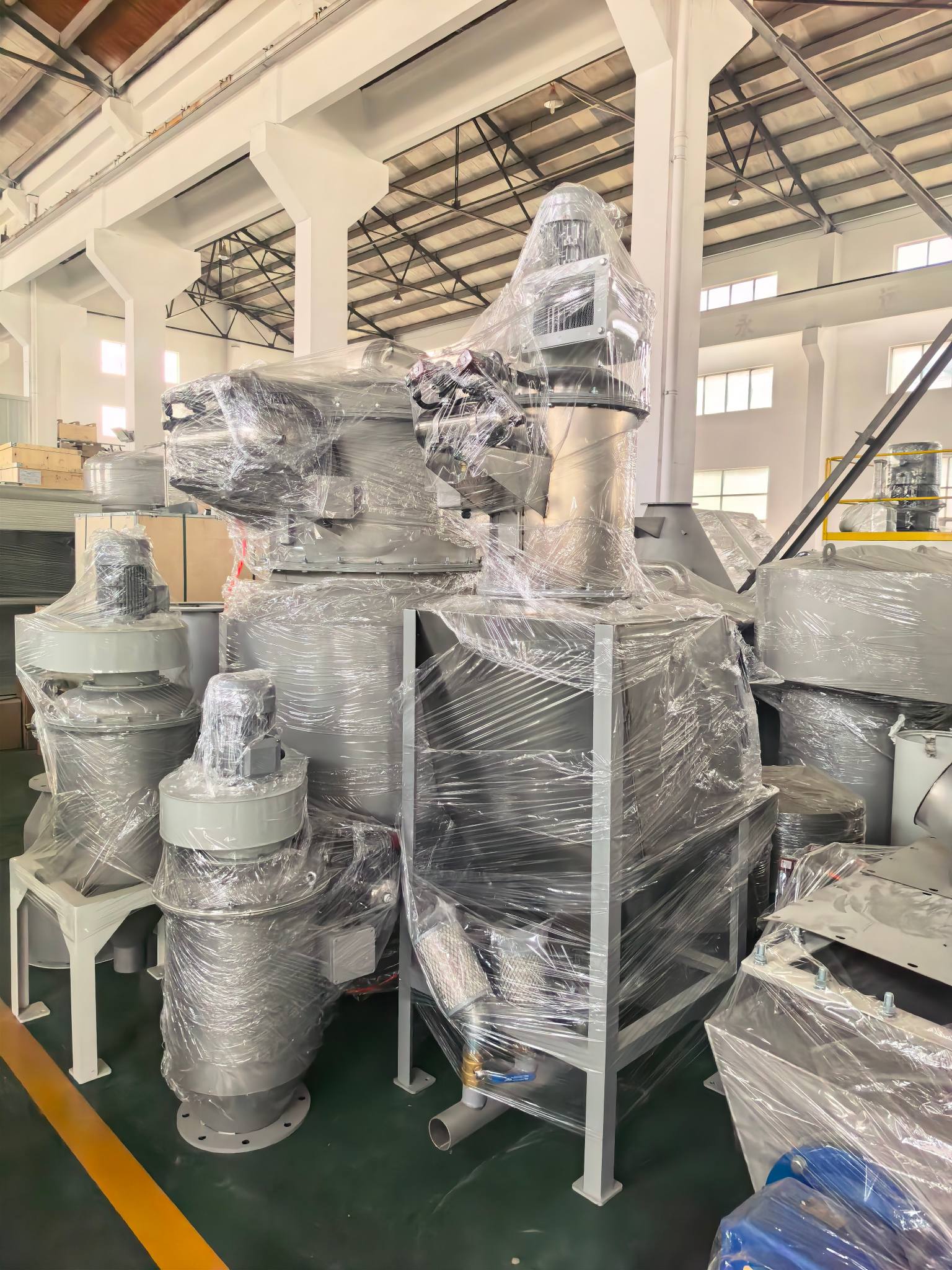
Selecting the right materials is crucial for ensuring long-lasting performance, whether in construction, product design, or industrial applications. It involves more than just picking strong substances; factors like environmental conditions, cost, and sustainability must be weighed. For instance, in outdoor structures, corrosion-resistant alloys or treated woods might be favored over standard options to withstand weathering. A thoughtful approach here minimizes future repairs and enhances overall reliability.
Fabrication techniques play an equally vital role, as even the best materials can underperform if processed poorly. Methods such as precision machining or additive manufacturing allow for tighter tolerances and reduced weaknesses, boosting durability. By integrating advanced processes like heat treatment or surface coatings, products gain extra resilience against wear and fatigue. This synergy between material choice and skilled fabrication sets the foundation for enduring quality.
Safety Protocols and Ventilation Systems in Silo Operations
In silo operations, prioritizing safety isn't just a regulatory requirement—it's a fundamental commitment to protecting workers and preventing devastating incidents. Effective safety protocols begin with rigorous training programs that go beyond basic procedures, emphasizing hazard recognition in dynamic environments. For instance, regular drills should simulate real-world scenarios, such as grain entrapment or dust explosions, ensuring teams can respond swiftly under pressure. Implementing lockout-tagout procedures for equipment maintenance and mandating the use of personal protective equipment, like respirators and harnesses, are non-negotiable steps to mitigate risks.
Ventilation systems in silos serve as the unsung heroes of operational safety, critical for maintaining air quality and controlling hazardous dust. Unlike generic industrial setups, these systems must be tailored to the specific materials stored, whether grains, chemicals, or other bulk solids. Key considerations include designing airflow patterns that prevent dead zones where toxic gases or combustible dust might accumulate. Advanced sensors can monitor oxygen levels and dust concentrations in real-time, triggering alarms or automatic adjustments to avert potential explosions or health hazards.
To truly stand out, integrating smart technologies has revolutionized silo safety. Modern ventilation systems now leverage AI-driven analytics to predict and adapt to changing conditions, such as humidity shifts that affect dust behavior. Coupled with IoT-enabled safety protocols, like wearable devices that alert workers to unsafe air quality, this holistic approach reduces human error and enhances preparedness. Regular audits and community engagement, sharing best practices with local industries, further strengthen these measures, fostering a culture of proactive safety rather than reactive compliance.
Efficiency Enhancements Through Automation and Flow Control
In today's fast-paced work environments, streamlining operations isn't just a goal—it's a necessity. Automation tools like robotic process automation (RPA) and intelligent software can take over repetitive, time-consuming tasks, freeing up human resources for more creative and strategic endeavors. By integrating these systems, teams can reduce error rates and accelerate workflow cycles, leading to noticeable gains in productivity. This isn't about replacing people; it's about empowering them to focus on what truly matters, fostering a more dynamic and responsive workplace where innovation can thrive.
Flow control adds another layer of refinement, acting as the conductor that ensures automated processes run smoothly and efficiently. Through techniques like queue management, load balancing, and real-time monitoring, businesses can optimize resource allocation and prevent bottlenecks before they disrupt operations. Imagine a manufacturing line that automatically adjusts production rates based on demand signals, or a customer support system that routes inquiries to the most suitable agent without delay. This proactive management not only minimizes downtime but also enhances service quality, creating a seamless experience that builds trust and loyalty.
Together, automation and flow control form a powerful duo that drives sustainable efficiency improvements. By adopting scalable solutions tailored to specific needs, organizations can adapt quickly to market changes and scale operations without proportional increases in costs. For example, small startups might leverage cloud-based automation to compete with larger firms, while established enterprises could implement advanced flow control to fine-tune complex supply chains. The key is finding the right balance—using technology as a catalyst for growth while maintaining flexibility and human oversight. This holistic approach not only boosts output but also cultivates a culture of continuous improvement, where every process is an opportunity to perform better and smarter.
Maintenance Best Practices to Prolong Silo Lifespan
To keep your silo operating smoothly for years, a proactive maintenance approach is key. Start with regular inspections, focusing on both the interior and exterior surfaces. Look for signs of wear like cracks, corrosion, or degradation in materials, and address them promptly to prevent small issues from escalating into costly repairs. This hands-on vigilance helps ensure the silo remains structurally sound and functional over time.
Another vital practice is implementing a thorough cleaning schedule. Accumulated residues or moisture can lead to corrosion and blockages, which may compromise the silo's integrity. Use appropriate cleaning methods tailored to the stored materials, avoiding harsh chemicals that could damage the linings. By keeping the interior clean and dry, you reduce the risk of contamination and extend the usability of the silo.
Finally, don't overlook the importance of proper storage management. Optimize loading and unloading procedures to minimize stress on the structure, such as avoiding overfilling or uneven distribution of contents. Regularly check seals, vents, and other components to ensure they are functioning correctly, as these small details can have a big impact on longevity. Consistent attention to these best practices will help your silo withstand the test of time efficiently.
Innovative Trends in Powder Handling and Storage Solutions
The powder handling and storage sector is witnessing a surge of innovation, driven by demands for greater efficiency and safety. New automated systems are revolutionizing how powders move from storage to processing lines, reducing manual handling and minimizing contamination risks. These solutions often integrate advanced sensors and smart controls, ensuring precise metering and flow, which enhances both productivity and product quality in industries ranging from pharmaceuticals to food production.
A significant trend involves the adoption of flexible storage options that adapt to varied powder properties and batch sizes. Companies are increasingly using modular silos and containers with specialized linings to prevent issues like caking or segregation, while IoT-enabled monitoring allows real-time tracking of inventory levels and environmental conditions. This not only optimizes space but also reduces waste by maintaining powder integrity over longer periods, making operations more sustainable and cost-effective.
Innovations in material science are further transforming powder handling, with developments in anti-static and anti-adhesion coatings for equipment surfaces. These advancements help powders flow more smoothly, minimizing blockages and downtime. Coupled with enhanced dust containment technologies and eco-friendly designs, these trends are setting new standards for safety and environmental compliance, positioning businesses to meet the challenges of modern manufacturing with agility and reliability.
FAQ
Focus on structural integrity by using robust materials like stainless steel, implement proper ventilation to prevent dust explosions, and include safety features such as pressure relief valves and fire suppression systems.
Tailor designs to the specific powder's flow characteristics, incorporate automated systems for loading and unloading, and use modular construction to reduce downtime and maintenance costs.
Issues like material segregation or bridging can occur; solutions include designing silos with appropriate hopper angles and using internal devices like vibrators or fluidizers to ensure consistent flow.
Material choice impacts durability and contamination risks; common options include carbon steel for cost-effectiveness, aluminum for lightweight needs, and food-grade plastics for hygiene-sensitive applications.
Regular inspections for corrosion or wear, cleaning to prevent buildup, and calibration of monitoring equipment like level sensors and temperature gauges help maintain performance and safety.
Compliance may require features such as dust collection systems to control emissions, spill containment measures, and designs that minimize energy consumption, all tailored to local standards.
Innovations include IoT-enabled sensors for real-time monitoring, advanced coatings to resist corrosion, and 3D modeling for precise, error-free design and fabrication processes.
Conduct thorough risk assessments to prioritize essential features, source materials from reputable suppliers, and invest in scalable designs that allow for future upgrades as needs evolve.
Conclusion
Effective powder storage silo fabrication demands a holistic approach that prioritizes safety and operational efficiency from the ground up. Key design considerations must address factors like material flow characteristics, structural integrity, and site-specific environmental conditions, forming the foundation for reliable performance. Material selection and fabrication techniques play a critical role in ensuring durability, with choices ranging from corrosion-resistant alloys to specialized coatings that withstand abrasive or reactive powders. Safety protocols, including robust ventilation systems, are indispensable to mitigate risks such as dust explosions, combustible atmospheres, or operator exposure, making them non-negotiable elements in modern silo design.
To further enhance functionality, automation and flow control systems offer significant efficiency gains by optimizing material handling, reducing manual intervention, and minimizing waste. Regular maintenance best practices, such as inspection routines and timely repairs, are essential to prolong silo lifespan and prevent costly downtime. Innovatively, emerging trends in powder handling—like smart sensors, modular designs, and integrated digital monitoring—are reshaping storage solutions, enabling predictive maintenance and real-time data analytics. By integrating these insights, industries can achieve safer, more efficient powder storage that adapts to evolving technological and regulatory demands.
Contact Us
Contact Person: Darye WANG
Email: [email protected]
Tel/WhatsApp: 86-13501017897
Website: https://www.fcntd.com/