

Professional TIJ Inkjet Printer: Your Complete Guide to High-Resolution Industrial Printing
2026-05-13
When precision meets speed in industrial coding, TIJ inkjet printers redefine what's possible. Whether you're printing barcodes, logos, or variable data on packaging, the right high-resolution solution can transform your production line. Enter Danmajet—a brand that has mastered the art of drop-on-demand technology for crisp, durable marks on nearly any substrate. In this guide, we'll peel back the layers of professional TIJ printing, from core benefits to real-world applications, and show you why Danmajet stands out in a crowded market. Ready to see how micro-precision can solve macro challenges? Let's dive in.
How Thermal Inkjet Achieves Stunning Detail on Any Surface
Thermal inkjet printing relies on an incredibly fast, localized heating process. Each nozzle contains a tiny resistor that heats a thin layer of ink to over 300°C in microseconds, creating a vapor bubble. This bubble expands with explosive force, pushing a precise droplet out of the nozzle. Since the ink itself is the propellant, there’s no need for complex piezoelectric crystals or external pumps. The result is a compact printhead that can be positioned extremely close to the surface—even irregular or textured ones—maintaining consistent dot placement without losing sharpness.
What truly sets thermal inkjet apart is its ability to adjust droplet size on the fly. By modulating the heating pulse width, the system can eject droplets as small as a few picoliters or combine multiple smaller drops into a larger one for solid areas. This native grayscale control means that fine details, like hairline strokes or subtle gradients, are rendered with smooth, continuous tones rather than a coarse halftone pattern. The ink formulation is also optimized to wet the surface just enough to anchor the droplet without spreading, so edges stay crisp whether you’re printing on glossy photo paper, rough canvas, or non-porous materials like plastic and glass.
The printhead’s motion and firing timing are synchronized with sub-micron precision, compensating for surface irregularities on the fly. Advanced models use a closed-loop feedback system that monitors the substrate and adjusts the droplet trajectory or the number of passes to fill in low spots and avoid puddling on high spots. This adaptability, combined with the sheer density of nozzles—often exceeding a thousand per head—means that even at high speeds, the printed output retains photographic clarity and accurate color reproduction on virtually any material you can feed through the machine.
Decoding the Core Components That Drive Consistent Output
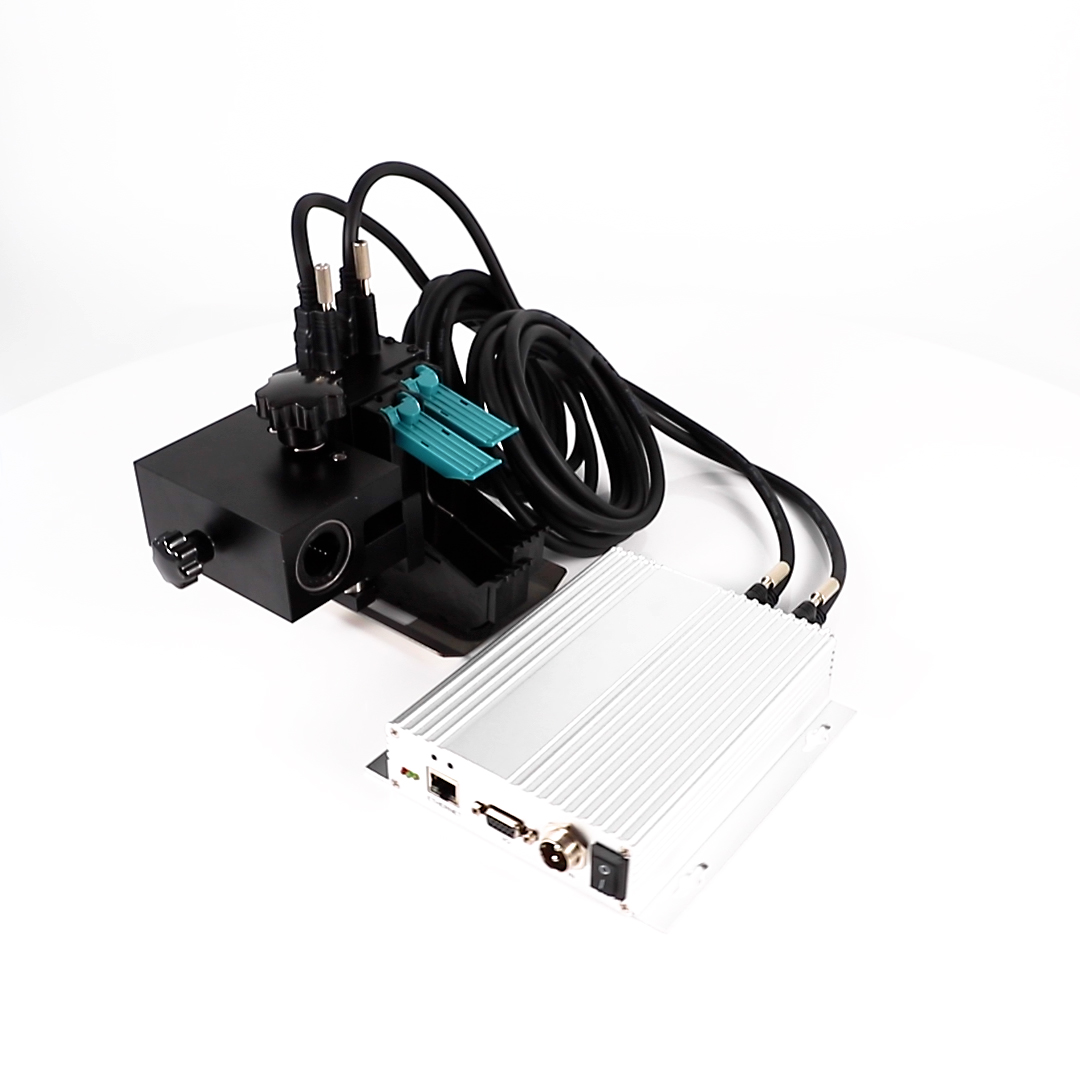
Consistency in output stems from a deliberate blend of clarity, structure, and adaptability. The first core component is a well-defined objective framework that translates broad goals into actionable steps. Without clear boundaries and measurable milestones, even the most sophisticated processes can drift, producing erratic results. This framework acts as a compass, ensuring every decision and iteration aligns with the intended outcome.
Equally vital is the feedback mechanism, which operates as a continuous calibration loop. By systematically capturing deviations and integrating corrective measures, systems self-correct in real time. This isn't merely about spotting errors; it's about understanding their root causes and refining the underlying logic. When done right, the output doesn't just stay consistent—it evolves predictably, maintaining quality across varying conditions.
Finally, the human element in design and oversight cannot be overlooked. Patterns, intuition, and contextual awareness often fill the gaps that rigid algorithms miss. A balance between automation and informed judgment creates a resilient pipeline where consistency is not robotic uniformity, but a dynamic equilibrium responsive to nuance.
Matching Inks and Substrates for Flawless Adhesion and Durability
Getting ink to stick properly starts with knowing what the substrate actually wants. Porous surfaces like paper drink up liquid inks through absorption, while non-porous materials—think plastics, metals, or glass—demand a completely different approach. Here, adhesion hinges on surface energy. If the substrate's surface energy is too low, the ink just beads up and eventually flakes off. That's why pretreatments like corona or plasma etching aren't optional add-ons; they're essential for giving the ink something to grab onto.
Chemistry plays an equally sneaky role. Solvent-based inks often bite into synthetic substrates, softening the top layer to create a mechanical bond that's hard to break. Water-based alternatives are trickier on slick surfaces unless you tweak the formulation with binders or cross-linkers. And then there's the quiet saboteur—thermal expansion. An ink that cures rigid while the substrate expands and contracts with temperature changes is a crack waiting to happen. Matching flexibility between the two isn't a nice-to-have; it's what keeps a label legible after years on a shipping container.
Durability isn't just about surviving the first scratch test. Real-world conditions throw everything from UV exposure to chemical cleaners at printed surfaces. That's where resin selection within the ink makes or breaks long-term performance. Epoxy-based systems might laugh off harsh solvents but yellow under sunlight, while polyurethanes stay clear and flexible but cost more. The substrate's own lifespan matters too—no ink can outlast a material that degrades from within. Spotting these pairings early avoids the headache of field failures and keeps the final product looking sharp long after it leaves the production line.
Where Production Lines Rely on TIJ for Speed and Precision
In modern packaging halls where conveyor belts fly at breakneck speed, thermal inkjet (TIJ) systems have become the quiet workhorses of product marking. Unlike older contact-based methods that can slow down a line or smudge on curved surfaces, TIJ cartridges fire microscopic ink droplets with staggering precision—often hitting moving targets at over 300 meters per minute. This non-contact process means there’s no friction, no wearable parts grinding against packaging, and virtually no maintenance interruptions. For a bottling plant filling 80,000 units an hour, that translates into a 1.5-second window per item, and TIJ barely breaks a sweat.
But pure speed means little if the codes become illegible smears. Here’s where TIJ’s precision engineering comes into its own. Each printhead contains hundreds of nozzles, each independently controlled to place ink droplets down to the micron. Whether it’s a 2D Data Matrix code etched onto a medical vial or a batch number squeezed onto a cable jacket, TIJ delivers crisp, camera-ready marks even on imperfect surfaces. The secret lies in the way the ink is heated and ejected—it forms a near-perfect sphere that dries on contact, eliminating the feathering or bleeding you’d get from continuous inkjet rivals. Quality inspectors barely glance twice because the first read rate rarely dips below 99.9%.
Perhaps most telling is how easily TIJ slots into a line without forcing an overhaul. Cartridges are swapped in seconds, like loading a stapler, and modern systems communicate natively with PLCs and SCADA, pulling variable data in real time. When a dairy switches from pallet labeling to printing on shrink wrap, the same printhead handles the job without recalibration. That adaptability, coupled with the durability to run 24/7 in humid or dusty environments, explains why floor managers sleep easier. In a world where a five-minute stoppage can cost thousands, TIJ earns its keep not just as a printer, but as a guardian of throughput.
A Practical Setup Routine That Sidesteps Common Pitfalls
Many people dive into new projects full of energy, only to hit a wall because they skipped basics like verifying requirements or double-checking assumptions. A better approach starts with a fifteen-minute triage: jot down the actual goal, list what you’ll need to confirm, and flag any unknowns before touching a tool. This small habit often prevents hours of rework.
Next, set up your environment in a way that forces clarity. Instead of jumping between templates or tutorials, create a minimal scaffold that addresses the single core task. If you’re configuring software, resist the urge to enable every optional feature—default to off and activate only what’s justified. That keeps the mental load low and surfaces misconfigurations quickly.
Finally, bake a checkpoint into your routine. After the first tangible piece works—even if it’s tiny—pause and ask: does this match the brief, and what broke? Write down the answer. It turns vague unease into a concrete fix list and stops you from building on a shaky foundation.
Daily Habits That Keep Printheads Crisp and Reliable
A printhead’s longevity often comes down to what you do between print jobs. A quick wipe with a lint-free cloth dampened with distilled water can remove dried ink before it clogs nozzles. Pair this with using manufacturer-recommended inks—cheap third-party cartridges frequently contain inconsistent pigments that corrode or block pathways. Even the printing frequency matters: running a small purge page once a week keeps the internals moist and prevents stubborn blockages.
Environment plays a bigger role than many realize. Printers stored in dusty, overly dry rooms force the printhead to work harder, drying out residual ink faster. A simple dust cover when idle and maintaining moderate humidity go a long way. Also, always use the printer’s power-off button instead of just unplugging, so the printhead can park and seal itself properly. These small, mindful routines keep output crisp without constant deep-cleaning cycles.
FAQ
A TIJ (Thermal Inkjet) printer uses tiny heating elements to vaporize ink, creating bubbles that force droplets onto a substrate. It’s a non-contact method perfect for high-resolution industrial marking.
Unlike desktop printers built for paper, professional TIJ systems are engineered for rough industrial environments. They print on diverse materials like plastics, metals, and coated cartons with durable, fast-drying inks.
Absolutely. Modern TIJ units achieve 600 dpi or higher, producing crisp text, barcodes, and graphics even at line speeds exceeding 100 meters per minute. The precision comes from advanced printhead technology.
You’ll find them in food and beverage for date stamps, pharmaceutical packaging for serialization, automotive for part marking, and cosmetics for batch codes. Anywhere compact, high-quality coding is required, TIJ fits.
Not at all. Most models offer flexible mounting, simple connectivity via Ethernet or USB, and user-friendly software that syncs with conveyors and sensors. Setup often takes minutes, not hours.
Routine maintenance is surprisingly straightforward: keep the printhead clean, use genuine cartridges, and occasionally purge the nozzles. Because the cartridge contains both ink and printhead, replacing it solves most issues instantly.
No. With specialized solvent or UV-curable inks, TIJ prints bond strongly to porous and non-porous surfaces alike, resisting smudging, moisture, and abrasion for the lifetime of the product.
TIJ offers a cleaner, almost maintenance-free operation compared to Continuous Inkjet (CIJ). There’s no need for messy solvent refills, and print quality remains consistent without complex fluid adjustments.
Conclusion
Thermal inkjet (TIJ) technology has quietly reshaped industrial printing by delivering microscopic precision that rivals far costlier systems. The secret lies in its thermal actuators, which heat ink in microseconds to create bubbles that eject uniform droplets onto surfaces as varied as glossy films and rough cardboard. This controlled process allows TIJ printers to render crisp barcodes, fine text, and complex graphics without the mess of traditional methods. Behind the scenes, the printhead, cartridge, and electronic driver work in tight synchronization—each pulse timed to maintain consistent dot placement even at high speeds. But hardware alone isn't enough. True performance comes from pairing the right ink formulation with the target substrate. Whether it's a solvent-based ink biting into PVC or a UV-curable variant bonding with glass, proper matching prevents smudging, peeling, and fading. When these elements align, TIJ systems deliver results that withstand scuffs, moisture, and long-term handling.
On fast-moving production lines, TIJ printers earn their keep by printing batch codes and expiry dates without slowing conveyors. Their modular, cartidge-based design means line operators can swap ink in seconds and resume full-speed operation with minimal recalibration. A smart setup routine—level mounting, cleaning the printhead gap, and running a quick nozzle test print—sidesteps the frustration of misaligned prints or dried nozzles. Yet reliability hinges on daily habits. Wiping the printhead face before shifts, storing cartridges in sealed containers, and avoiding aggressive wiping solutions keep the orifices clear and extend cartridge life. With these straightforward practices, a TIJ printer becomes a dependable workhorse, delivering crisp output hour after hour in environments where downtime simply isn't an option.
Contact Us
Contact Person: Jacky
Email: [email protected]
Tel/WhatsApp: 086 15000607053
Website: https://www.danmajet.com