
Reliable Welding Generator: How to Choose a Dependable Power Source for Consistent Welds
2026-07-29
A welding generator isn't just another piece of equipment—it's the heartbeat of your work. When every arc counts and consistency isn't optional, the power source you choose can make or break your results. But with so many options out there, how do you cut through the noise and find a generator that won't let you down mid-bead? It starts with understanding what truly drives dependable performance. At DINGBO POWER, we've seen firsthand how the right generator transforms weld quality from frustrating to flawless. Let's dive into the key factors that separate a shaky power supply from a truly reliable partner in your welding rig.
Nail Down Your Power Needs Before Anything Else
Before you get swept up in the excitement of new gadgets and gear, take a step back and seriously assess how much electricity you actually require. It's tempting to eyeball it or rely on vague estimates, but that's a shortcut that can leave you in the dark—literally. Start by listing every single device you plan to power, from critical medical equipment to that coffee maker you refuse to live without. Then, check the wattage on each one; surge wattage matters just as much as running wattage, especially for anything with a motor. Add it all up, and you’ll have a baseline that’s tailored to your life, not someone else’s guesswork.
Once you have a clear number, consider how your needs might change over time. Maybe you’re only covering essentials now, but next season you might want to add a portable AC or a second fridge for canning season. Building in a cushion of about 20% more capacity than you think you need can save you from a pricey upgrade later. Also, think about the environment you’ll be operating in—high altitude, extreme cold, or intense heat can all sap performance from power equipment. Matching your power system to real-world conditions, not just idealized specs, keeps surprises to a minimum when you’re already dealing with enough.
Finally, get honest about usage patterns. Running a generator or battery bank at full tilt nonstop will wear it out faster and burn more fuel than you might expect. Figure out if you can cycle loads, running the freezer for a few hours and then switching to the well pump, instead of powering everything at once. This kind of planning doesn’t just reduce the upfront size of the system you need; it makes your setup more resilient and economical in the long run. Locking down these details early turns power from a source of anxiety into one less thing you have to worry about.
Gas, Diesel, or Dual-Fuel: Which One Fits Your Work?
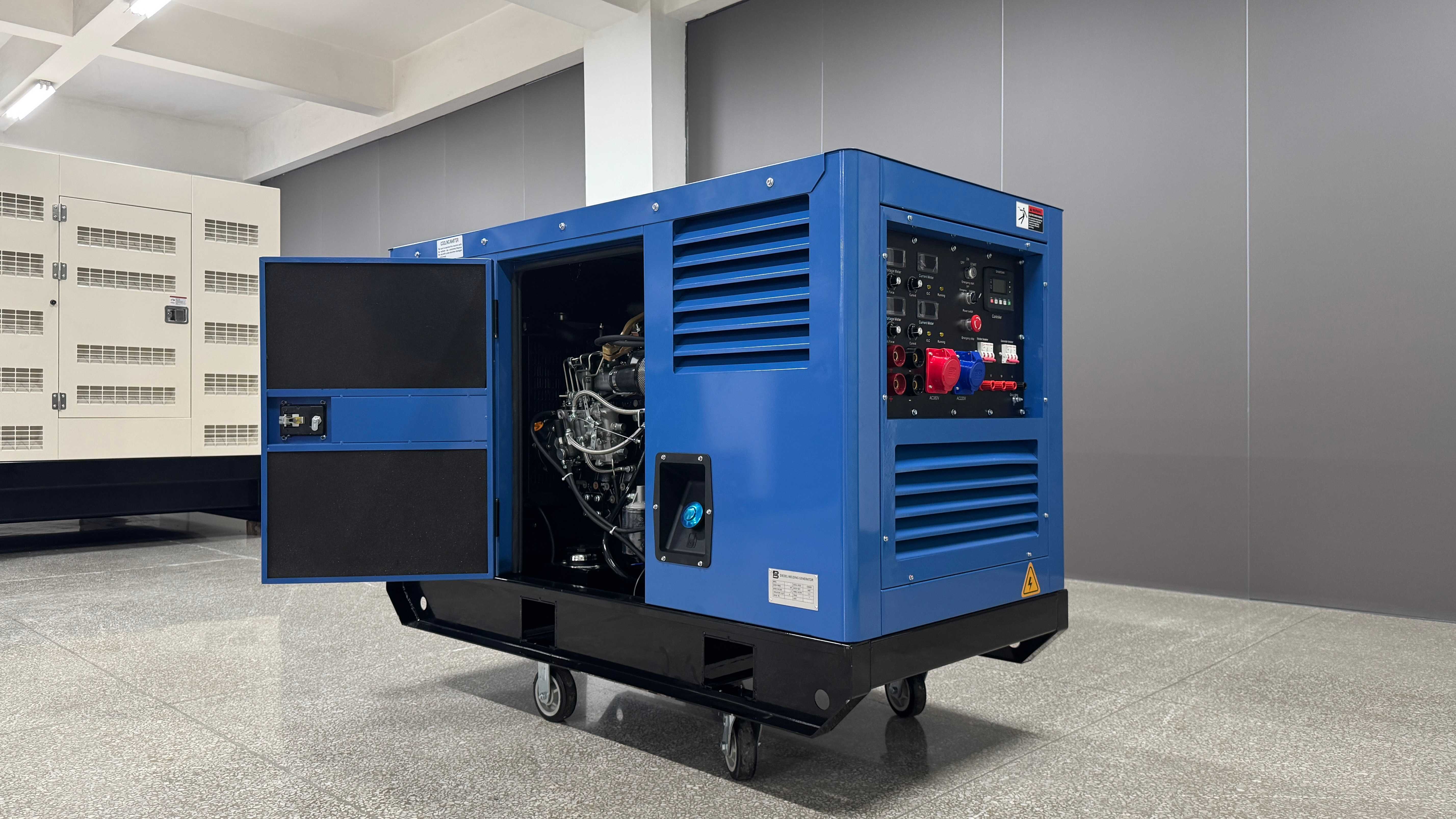
Gas engines tend to be lighter and cheaper up front, making them a solid match for lighter-duty tasks or fleets where vehicles see mostly short trips and stop-and-go driving. They warm up quickly and are easier to service with readily available parts, which keeps downtime minimal for vans, pickups, and mid-size trucks that don't tow heavy loads daily.
Diesel steps in where torque and longevity matter most. If your work involves hauling heavy equipment, towing trailers up steep grades, or running power-hungry auxiliary systems, the low-end grunt of a diesel pays off quickly. The engines typically last longer under constant stress and deliver better fuel economy under load, though they bring higher initial costs and demand more meticulous upkeep to avoid expensive repairs down the road.
Dual-fuel systems blend the two, letting you lean on diesel's muscle while displacing some of that fuel with cheaper natural gas or propane. This setup cuts fuel bills significantly on high-mileage routes and can extend oil change intervals, but it requires access to refueling infrastructure and adds complexity under the hood. It's worth a hard look if your routes are predictable and the upfront investment pencils out against the savings.
Easy to Move Around? Portability Counts on the Job
In fast-paced work environments, being able to shift locations without wrestling with gear is a genuine advantage. A lightweight laptop or compact tool kit means you can set up a temporary desk in a quiet corner, jump into a last-minute meeting, or head off-site without wasting time. It's not just about weight—it's about how naturally the device fits into your workflow, whether you're juggling coffee, a notepad, and a bag, or just trying to keep things simple during a long commute.
Portability often shapes decisions more than raw specs do. Someone who's constantly traveling might prioritize a slender profile and all-day battery over a massive screen, simply because it reduces friction in daily routines. The same goes for freelancers moving between co-working spaces, or field technicians who need to access information hands-free. When tools are easy to carry, they fade into the background, letting you focus on what actually needs to get done.
Even within a single office, the ability to pick up and go changes how people collaborate. Instead of being anchored to a desk, you can join a huddle, present from a client's conference room, or work outdoors without hunting for outlets. Those moments often spark more honest conversations and unexpected ideas—the kind that don't happen when everyone is stiffly positioned behind stationary monitors.
Tough Enough to Last: Materials and Build Quality
When you pick up a device that’s built to last, the first thing you notice is the weight and texture of the materials. It’s not just about metal versus plastic—it’s about how the casing resists fingerprints, how the buttons feel under your thumb after a thousand presses, and whether the seams are tight enough to keep out dust and moisture. Premium builds often layer materials strategically: a rigid internal frame for drop protection, a slightly textured exterior for grip, and sealed ports that don’t rely on flimsy rubber flaps. The best designs make durability feel effortless, where the product ages gracefully instead of just surviving.
Build quality extends far beyond the shell. It’s in the hinge that opens smoothly with consistent resistance even years later, the keyboard deck that doesn’t flex under heavy typing, and the display glass that shrugs off keys and coins in the same pocket. Real-world toughness shows up in the details: reinforced stress points around charging ports, cable strain reliefs that actually relieve strain, and adhesives chosen to withstand heat cycles without peeling. These aren’t headline features, but they separate a device that stays solid from one that starts creaking after a few months.
There’s also a quiet confidence in how premium materials influence usability. A cool-to-the-touch magnesium alloy isn’t just about aesthetics—it dissipates heat better, keeping components efficient and comfortable to hold. Water resistance becomes more reliable when gaskets are precisely molded rather than glued in place. Even the weight distribution matters: a well-balanced device feels lighter than it actually is, reducing fatigue during long use. When engineers obsess over these factors, you end up with a tool that not only withstands the daily grind but does so without making a big deal about it.
Smooth, Steady Arc: Why Output Stability Matters
In the world of welding, the difference between a flawless joint and a costly rework often comes down to the arc itself. A smooth, steady arc is the silent pledge of quality—it gets into the groove without dancing or stumbling, delivering heat exactly where it’s needed. When the arc behaves, the filler metal flows like a ribbon of silk, wetting into both sides of the joint with a reliability that lets the welder breathe easy. Interruptions or wild fluctuations shred that rhythm, leaving behind craters, undercuts, or a fragile seam that might pass a glance but won’t survive the real world.
Instability in the arc isn’t just an aesthetic hiccup; it’s a structural alarm bell. Every flicker or pop changes the penetration profile, creating hidden zones where the base metal didn’t truly fuse. These spots become natural starting points for fatigue cracks or corrosion, the quiet killers that emerge long after the weld has cooled. A stable arc, on the other hand, gives you a uniform grain structure and consistent mechanical properties across the whole bead—so the joint holds up whether it’s hit with vibration, thermal cycling, or years of wear. Skilled welders don’t just chase a pretty ripple pattern; they listen for that characteristic crisp hum that says the puddle is locked in and all the physics are on your side.
Output stability also ripples outward into efficiency and confidence on the shop floor. When the arc stays put, you’re not constantly grinding out defects or dialing in settings mid-bead. That means faster travel speeds, fewer stops, and a dramatic drop in consumable waste—from electrodes to shielding gas. Beyond the numbers, it subtly reshapes the welder’s mindset: instead of babying a fickle tool, they can concentrate on torch angle and joint fill, turning a technical chore into a fluid motion. In the end, chasing a smooth arc isn’t a minor refinement; it’s the foundation that transforms an ordinary weld into something predictable, durable, and almost satisfying to just watch.
Extra Features That Actually Make a Difference
Many products today come packed with extras that sound impressive but barely get used. What really matters are the thoughtful additions that simplify daily routines and genuinely improve the overall experience. It’s about quality, not just quantity.
Consider the small touches that solve real annoyances—like magnetic connectors that snap into place effortlessly, or built-in cable management that keeps a workspace tidy without extra gadgets. These features might not headline a product page, but they are the ones people rave about in reviews.
Then there are the understated software enhancements that adapt to how you actually work, rather than forcing a new habit. Whether it’s intelligent power saving that learns your schedule or seamless integration with the tools you already use, these meaningful extras quietly remove friction and let you focus on what counts.
FAQ
A reliable welding generator isn’t just about raw power—it’s about how it delivers energy. Look for units with stable voltage regulation, low harmonic distortion, and a duty cycle that matches your workload. Brushed alternators might be cheaper, but brushless designs often last longer and require less upkeep. Also, consider the engine: a commercial-grade diesel engine can handle long hours without breaking a sweat.
Start by checking the specs on your welder—most will list max input power in watts or amps. As a rule of thumb, for stick welding, you’ll want at least 5,000 running watts for a 200-amp machine. But don’t just look at peak wattage; check continuous output because some generators overstate their capability. Factor in a 20–30% buffer above your highest load to avoid voltage drops that mess up arc stability.
Absolutely. Diesel generators usually offer better fuel efficiency and longevity for heavy use, while gasoline models are lighter and quieter for occasional jobs. Propane or natural gas can be clean-burning options if you’re working indoors more often. Where you’ll be working matters too—diesel engines can struggle in extreme cold, while gas models need fresh fuel to avoid carb issues.
Duty cycle tells you how long a generator can run at a given load without overheating. If your work demands long, uninterrupted beads, a high duty cycle is non-negotiable. Many smaller units advertise big numbers but can only sustain them for a minute or two. Match the generator’s duty cycle to your typical usage—fabrication shops need more stamina than a hobbyist tacking thin sheet metal.
Think about where you’ll be welding. If you’re moving between job sites, a trailer-mounted or compact portable generator with rugged wheels and a lifting eye is essential. For a fixed workshop, a stationary unit might offer more power and quieter operation. Weight and size matter—a 500-pound generator isn’t fun to drag across a muddy construction site.
Inverter generators produce cleaner power with very low harmonic distortion, which is great for sensitive electronic welders and makes arc control smoother. However, they typically have lower surge capacity and may cost more per watt. Open-frame generators often deliver higher outputs for heavy industrial welding but can be noisier and produce less stable power. Choose based on the type of welding you do—TIG and MIG with advanced circuitry benefit from inverters.
Check the total simultaneous load—add up the running watts of everything you’ll power at the same time, and make sure the generator’s continuous rating covers that with some headroom. Don’t forget about starting surge when large motors kick in. A common mistake is underestimating the draw of auxiliary items like grinders or lights. Also, look for multiple outlets with appropriate amp ratings.
Regular oil changes, air filter cleaning, and fuel system checks are baseline. For diesel engines, water separator drainage and injector upkeep matter. Keep an eye on brush wear if you have a brushed alternator. Spark plugs and battery terminals need attention on gas models. And don’t ignore the generator head itself—moisture and dust can lead to insulation breakdown. A simple weekly run without load can help prevent varnish buildup in the engine.
Conclusion
Before sinking cash into a welding generator, the first step is always matching the machine to your actual power demands. Too small, and you'll starve your welder when it tries to strike or sustain an arc; too large, and you're hauling around dead weight while burning extra fuel. Once you've locked in the wattage and voltage requirements, the fuel choice comes into play. Diesel tends to offer durability and steady output for heavy, all-day industrial work, while gasoline can be lighter and more cost-effective for intermittent jobs. If your projects bounce between locations with different fuel availability, a dual-fuel unit might give you the flexibility to keep working without a hitch. And no matter the fuel, if the generator can't deliver clean, stable power, your weld quality will suffer. A generator with tight voltage regulation and low harmonic distortion ensures that the arc stays smooth and consistent, reducing spatter and giving you the bead appearance you're after.
Beyond raw output, how the generator handles life on the road matters just as much. Sturdy frames, reinforced corners, and sealed components keep the internals safe from knocks, dust, and moisture, especially if you're moving between site to site. Portability features like lift hooks, fork pockets, and large, puncture-resistant wheels turn a back-breaking setup into a one-person job. And don't overlook small additions that make a real difference: digital displays for easy monitoring, auto-idle to cut down on noise and fuel consumption, and convenient outlets for auxiliary tools can transform a basic generator into a reliable workhorse. Ultimately, the right choice isn't about grabbing the biggest name or the highest wattage rating—it's about finding a machine that aligns with your daily workflow, withstands your environment, and delivers a rock-steady electrical foundation for every weld.
Contact Us
Contact Person: Rita
Email: [email protected]
Tel/WhatsApp: +8613481024441
Website: https://www.dbdieselgenerator.com/