
Smart Street Furniture Company Builds Sustainable, Connected Urban Environments
2026-09-11
Look around any modern city and you’ll see them: benches, bus stops, lamp posts—silent, static, and mostly ignored. But what if that street furniture could think, connect, and help cities breathe? That’s the quiet revolution zemso is leading, turning everyday urban objects into smart, sustainable nodes that make our streets safer, cleaner, and more alive.
Solar Benches That Keep Devices Alive Between Meetings
Between back-to-back calls and inbox triage, the last thing anyone wants is to hover near a wall outlet with a laptop charger in hand. These solar benches change that by turning an ordinary pause into a chance to top up a phone, tablet, or even a laptop. Panels built into the seating surface collect sunlight throughout the day, feeding a battery that stays ready when you sit down, plug in, and keep working.
Placement matters just as much as the hardware. You’ll often find them tucked into courtyards, near campus pathways, or along the edge of a plaza where foot traffic is steady but shade isn’t total. The best spots get a few hours of direct sun while still offering enough comfort for a quick call or a sandwich between sessions. Because the bench stores energy, it can still deliver a charge during cloudy stretches or early evening, just not as fast.
For anyone tired of rationing battery percentage across a long day of meetings, this kind of infrastructure removes a small but constant source of stress. Instead of searching for a coffee shop with empty seats and spare sockets, you can sit outside, catch some air, and leave with a device that’s ready for what’s next.
Street Sensors That Quietly Map Foot Traffic
On a quiet Tuesday morning, the sensor mounted above the crosswalk at Fifth and Main registers a slight uptick in movement just after 8 a.m. It doesn't record faces or phone numbers, only the fact that a body passed beneath it. Multiply that by a few hundred devices scattered across the district, and a pattern begins to emerge—one that's less about surveillance and more about rhythm.
These low-profile units often go unnoticed, tucked into streetlight arms or behind cafe signage. They use infrared or simple depth sensing to count heads without tying the data to any individual. That distinction matters. Planners aren't looking for who walked where; they're asking whether a new bus stop shifted the morning flow, or if a parklet drew people past a row of shops that used to sit in a dead zone.
What makes the data quietly valuable is its granularity over time. It can show that a rainstorm cuts foot traffic by a third on the north side of a block but barely touches the south side under the awnings. A retailer may adjust opening hours around that detail. A city might widen a sidewalk where the sensors show consistent crowding. None of this requires a camera pointed at your face—just a patient, anonymous tally of movement.
A Second Life for Recycled Plastics on Main Street
Walk down many Main Streets these days and the sleek bench outside the coffee shop may have started out as milk jugs and bottle caps. Municipal planners and small business owners are quietly swapping traditional lumber and concrete for boards, pavers, and fencing made from post-consumer plastics. The result doesn't shout 'recycled'—it just looks like weathered wood or dark stone, while shrugging off rot, splinters, and graffiti.
The appeal goes beyond durability. Local fabricators are turning grocery bags and detergent bottles into storefront sign blanks, menu boards, and even the decking under café tables. Because the material can be milled and routed like wood but needs no sealing or repainting, shopkeepers save on upkeep and avoid sending worn-out fixtures to the dumpster. Each storefront project quietly pulls dozens of pounds of plastic out of the waste stream.
There's a small-town poetry in it: the same clamshell container from a deli might come back as the planter holding geraniums outside that deli's door. When visitors tap a recycled-plastic porch post and realize it's not timber, the conversation shifts from 'is this greenwashing?' to 'why isn't every downtown doing this?' Main Street may never fully abandon brick and maple, but a second life for everyday plastics is already reshaping the curb line.
Smart Lighting That Responds to Real Footsteps
Imagine walking through your hallway at midnight and the floor knows exactly where you're about to step. Not a generic motion sensor that flips on every time the cat wanders by, but a system tuned to the rhythm and weight of real human footsteps. It lights a soft pool of light ahead of you, then dims it behind, so you never feel like you're walking through a showroom.
The magic happens underfoot. Pressure-sensitive panels or vibration sensors pick up the distinct pattern of a footfall—heel first, then toe, with a cadence no pet or falling object can mimic. That signal travels to a local controller, which triggers only the lights in your intended path. The result is less about illumination and more about courtesy: the house quietly makes way for you.
At night, this means no more fumbling for switches or squinting against overbright ceilings. The light follows the pace of your own feet, bright enough to guide but gentle enough to keep drowsiness intact. It's the kind of small, attentive detail that turns a smart home into an almost invisible companion.
Designing Bus Stops People Actually Want to Linger In
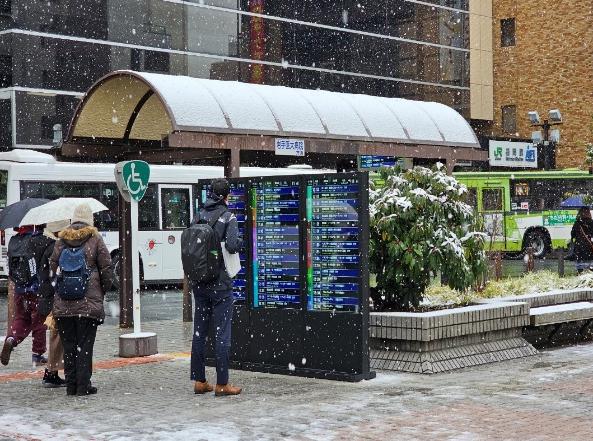
A bus stop rarely gets a second thought until you're stuck at one in the rain, shifting your weight and checking the time. The best designs flip that dynamic by treating the wait as a small destination rather than a gap between trips. Wide benches with backrests, a solid roof that actually blocks wind-driven drizzle, and gentle lighting make the minutes feel less like a penalty. Add a route map that doesn't require squinting and you've already changed the mood.
Plants and local materials do more than look nice; they signal that someone is paying attention. A planter with hardy grasses, a small shelf for a coffee cup, or a mural by a nearby artist gives the stop a sense of place. These details invite people to sit a little longer, even when the next bus is six minutes away. It's the difference between a bare pole and a corner that feels like it belongs to the neighborhood.
Good bus stops also respect the small rituals of waiting. A place to lean a bicycle without blocking the path, a clear view of approaching buses, and seating arranged so strangers don't have to make eye contact unless they want to—these choices make the wait comfortable. When a stop feels safe and cared for, people don't just rush through it; they might actually miss it after they board.
The Hidden Tech Behind Friendlier Public Spaces
Walk through a revamped transit hub or a redesigned downtown square and the ease you feel is rarely accidental. Small, unobtrusive sensors tucked into benches and light poles track foot traffic, noise levels, and even air quality in real time. That data quietly shapes everything from when the misting stations switch on to which walkway gets widened during a lunch rush. It is less about surveillance and more about giving city managers a live sense of how people actually move through a place.
Acoustic modeling is another quiet player. Rather than adding more signs asking people to keep it down, designers now shape sound with absorbent panels, angled walls, and strategic greenery. The result is a plaza that feels calmer without anyone consciously noticing why. Lighting gets the same treatment: tunable LEDs shift from crisp midday tones to warmer evening hues, subtly signaling that the space is transitioning from work mode to relaxation.
Even the furniture plays a role. Benches with subtle armrests and varied seat heights invite different kinds of use, while textured paving helps guide people with low vision. Behind the scenes, maintenance teams receive alerts when a trash bin is full or a water fountain needs a filter change. None of it screams "technology," and that is exactly the point. The best public spaces hide their complexity so well that all you notice is the comfort.
FAQ
Each unit uses recycled aluminum frames and solar panels sized to match local sun hours, so the connected lights and sensors run off-grid most of the year.
Built-in Wi-Fi and environmental sensors feed data to a city dashboard, while Bluetooth beacons help visually impaired pedestrians navigate crosswalks with audio cues.
The furniture tackles shade deserts, dead phone batteries, poor air quality readings, and dark underpasses by combining seating, planting beds, air monitors, and adaptive LED lighting.
The enclosures are IP65-rated, and the seating surfaces use a grit-blasted recycled plastic that resists graffiti, scratches, and temperature swings from -20°C to 50°C.
Cables and antennas are hidden inside hollow seat beams, and the screens default to a dimmed resting state that only brightens when someone steps within two meters.
Some models include a small e-ink notice panel that shows community event listings and emergency alerts, which reduces paper flyer waste and gives neighborhoods a shared noticeboard.
The company ships flat-packed modular units that lock onto standard concrete pads, and each site needs only a half-day of on-site assembly with a three-person crew.
A remote diagnostic system flags failing batteries or blocked solar cells, and local crews can swap out the power module in under fifteen minutes without special tools.
Conclusion
A quiet shift is taking place on city streets, led by a smart street furniture company that treats benches, bus stops, and lampposts as more than static objects. Solar benches tucked between office towers let people charge phones without hunting for a cafe outlet, while embedded street sensors track foot traffic without cameras or intrusive data collection. The same firm is pushing recycled plastics into main street seating and planters, giving discarded packaging a second life in full public view. These choices aren't gimmicks; they lower energy demand and reduce landfill waste while making daily routines slightly easier.
At night, smart lighting warms or dims based on real footsteps, not preset timers, cutting electricity use in empty plazas and brightening paths exactly when someone approaches. Bus shelters get the same attention: wider roofs, tilted benches, and subtle windbreaks encourage people to linger rather than hover near the curb. Underneath it all sits a layer of hidden tech, small sensors and low-power radios that help cities adjust cleaning schedules, maintenance routes, and even event planning. Taken together, the company builds a connected urban fabric where sustainability isn't a separate feature but the natural outcome of designing public space around how people actually move, wait, and recharge.
Contact Us
Contact Person: Leo
Email: [email protected]
Tel/WhatsApp: +86 18901905138
Website: https://www.zemsogroup.com/