

Solar Flood Light Factory: Crafting Reliable Outdoor Illumination
2026-08-03
When night falls and darkness envelops outdoor spaces, the demand for dependable lighting becomes critical—whether for security, work, or ambiance. Not all solar flood lights rise to the challenge, but behind every flawless beam is a manufacturer that refuses to compromise. At SRS, we don’t just assemble lights; we engineer robust illumination solutions that endure the elements and exceed expectations. Step inside our factory, and discover how precision, innovation, and a relentless pursuit of quality turn raw components into beacons of reliability.
How We Engineer Weather-Resistant Solar Flood Lights
The path to a truly weather-resistant solar flood light begins with material selection that goes beyond standard specifications. We avoid thin, brittle plastics and instead opt for anodized aluminum housings paired with tempered glass lenses. These materials resist not just rain but also the slow, degrading effects of prolonged UV exposure. In coastal areas, where salt spray accelerates corrosion, our fixtures rely on stainless steel hardware and sealed gaskets that maintain integrity even when temperatures swing from freezing cold to scorching heat. It’s a deliberate rejection of the disposable mentality, aiming instead for a product that stands firm year after year.
The sealing process itself is where many outdoor lights fail, so we place extra emphasis on double-barrier protection. Silicone O-rings sit at every potential entry point—around the lens, the battery compartment, and the mounting bracket—compressed evenly during assembly to create a consistent watertight seal. Instead of relying on a single gasket, we often use a secondary silicone bead that cures into a flexible barrier, accommodating the expansion and contraction that daily temperature cycles bring. Each assembled unit then undergoes an immersion test in a controlled tank, where it’s pressured to simulate conditions far beyond a typical rainstorm. Only designs that emerge completely dry inside move forward, ensuring that internal electronics never face the slow death of moisture ingress.
Inside the Production Line: Quality from Raw Materials to Final Test
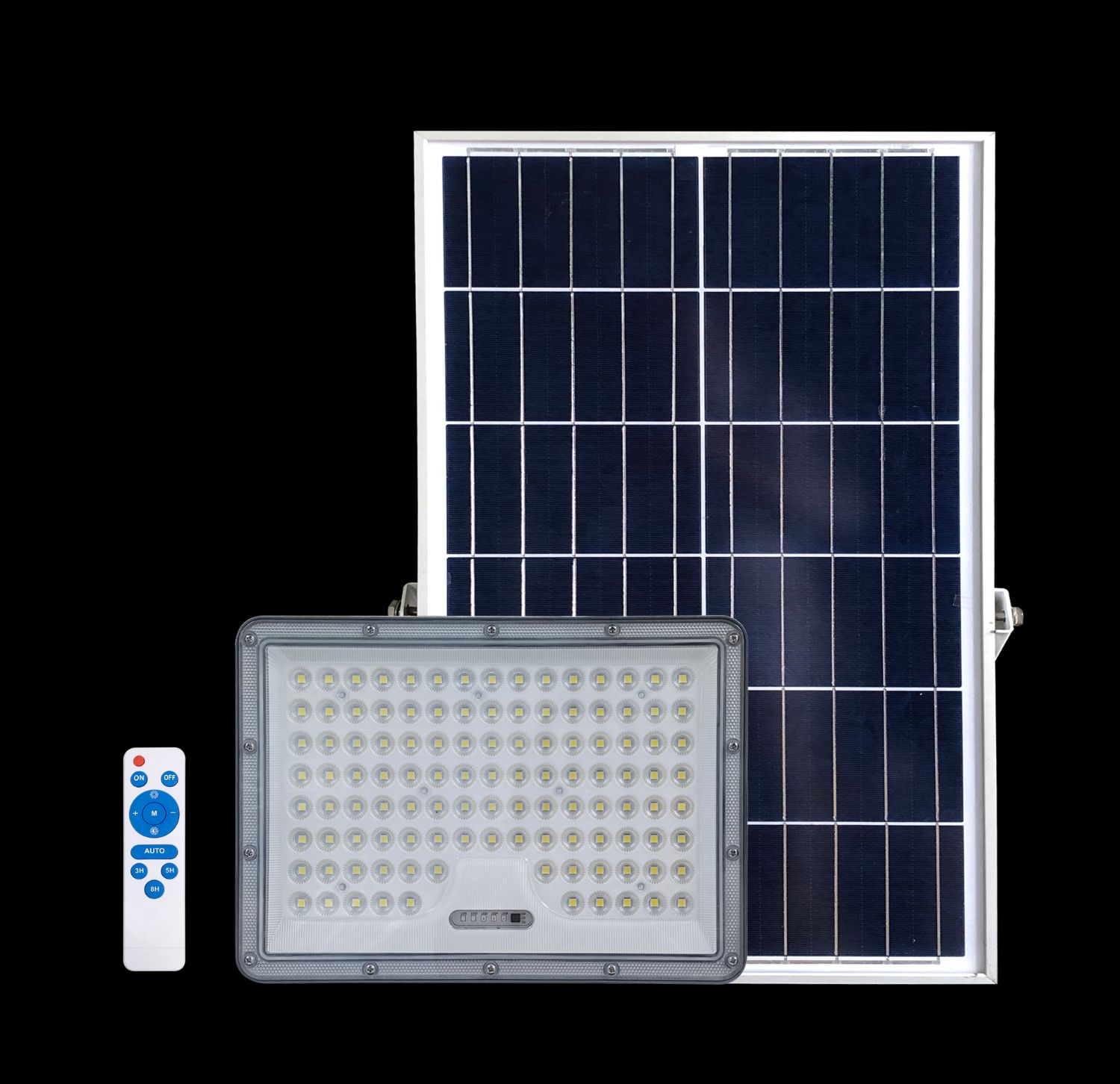
Every component that arrives on our loading dock undergoes a thorough vetting process before it ever reaches the assembly floor. We don't simply trust supplier certifications—our incoming inspection team verifies material composition, dimensional accuracy, and surface integrity using spectrometry and coordinate measurement machines. Suppliers who consistently deliver below standard are quickly pruned from our approved list, ensuring only the best raw stock feeds the line.
Once materials pass initial checks, the real transformation begins. Workers at each station follow detailed but intuitive visual guides, not just rigid SOPs, to catch subtle flaws that automated systems might overlook. In-process testing stations are positioned immediately after critical operations like welding or coating, providing instant feedback. If a parameter drifts even slightly from the ideal window, the line pauses until the root cause is resolved. This obsessive attention keeps defects from cascading downstream.
The final test area is where everything comes together under unforgiving scrutiny. Each completed unit runs through a battery of functional tests that simulate years of real-world stress in a matter of hours. But beyond the data sheets and pass/fail lights, experienced technicians listen for unusual noises and watch for minute vibrations. Their seasoned intuition often spots issues that sensors haven't been programmed to recognize. It's this blend of technology and human diligence that turns raw materials into products we're genuinely proud to ship.
Customized Lighting Solutions for Any Outdoor Space
Every outdoor area has its own character, from cozy patios to sprawling gardens. Rather than settling for generic fixtures, we work with you to design lighting that highlights the unique features of your space. Our approach begins with understanding how you use your yard, whether it's for quiet dinners, lively gatherings, or simply relaxing under the stars. By blending your vision with our expertise, we create a plan that feels personal and intentional.
We believe lighting should adapt to the rhythms of your outdoor life. Adjustable brightness, clever placement, and layers of light let you set the mood for any moment. Subtle pathway markers guide guests without overwhelming the senses, while soft uplighting on trees or architectural details adds depth. Each element is chosen to work together seamlessly, so your space feels comfortable and inviting long after sunset.
Durability and design go hand in hand. We select materials and finishes that stand up to the elements while blending into your landscape. The right lighting doesn't just illuminate—it transforms an ordinary yard into a natural extension of your home, ready for whatever the evening brings.
Why Our Solar Panels Outperform Standard Options
It starts with the cells themselves. We use N-type monocrystalline silicon, which naturally resists light-induced degradation far better than the P-type cells you'll find in most panels. That means more consistent output year after year, especially in those first critical months when other panels can lose a noticeable chunk of efficiency. We don't just stop at cell choice—our wafer thinning process creates a surface texture so fine that it traps more photons from every angle, boosting performance in the early morning, late afternoon, and even on overcast days.
Durability matters as much as day-one numbers. Standard panels often rely on simple glass and aluminum frames that warp or corrode over time. We bond our cells to reinforced, low-iron tempered glass with a specialized encapsulant that minimizes moisture ingress and resists yellowing. The result is a panel that stands up to coastal salt spray, heavy snow loads, and sudden temperature swings without developing micro-cracks or power fade. You'd be surprised how many supposedly “tough” panels start losing output after just a few hailstorms.
What really sets us apart is how all these pieces work together in real conditions. Our bypass diode layout and half-cut cell design mean that if one part of the panel gets shaded—by leaves, dust, or passing clouds—the rest keeps producing at full capacity. In a typical system, that alone can add up to 10% more daily energy harvest compared to conventional full-cell panels. And because we test every unit under simulated real-world stressors, not just lab-perfect conditions, you get performance that aligns with what you actually experience on your roof.
Smart Features That Make Our Lights Stand Out
Our lights learn your routines and adjust automatically—dimming in the evening for relaxation, brightening in the morning to energize your day. No need for manual switches or complex timers; the system adapts in real time, creating an environment that feels intuitive.
Beyond simple on/off commands, the integrated motion and ambient light sensors work together to anticipate your needs. Whether you’re reading, cooking, or hosting guests, the lighting shifts seamlessly to match each activity, reducing glare and eye strain without any input from you.
What truly sets them apart is the built-in voice-free control that responds to subtle gestures. A wave of your hand or a gentle knock on the nightstand can trigger custom scenes—like a soft nightlight path or a full-room glow as you walk in. No microphones, no apps, just a natural interaction that blends into your daily life.
Real-World Performance: Reliability in Extreme Conditions
When you're out in the field, reliability isn't just a spec on a sheet—it's the difference between a successful operation and a costly failure. Our equipment is tested beyond the sanitized confines of a lab, enduring everything from blistering desert heat to sub-zero Arctic blasts. In one instance, a unit kept running flawlessly during a sandstorm that choked lesser devices, its sealed components and rugged build shrugging off grit that would grind most machinery to a halt. This isn't about controlled simulations; it's about thriving when the environment throws its worst at you.
The real measure of performance is how well gear holds up when conditions turn hostile. We've seen our systems maintain pinpoint accuracy after being drenched in monsoon rains and baked in direct sunlight for days on end. In a recent trial, a deployment in a high-vibration, salt-spray coastal site logged zero failures over six months—a testament to engineering that anticipates the unpredictable. It's this kind of unshakeable dependability that keeps critical operations moving, no matter what the forecast says.
FAQ
It really boils down to our in-house design philosophy. We don't just assemble parts; we engineer each component to work in perfect sync. From the LED array positioning to the lens geometry, every detail is tuned to maximize light throw while minimizing energy waste. Think of it like a custom-built engine versus a kit car—both might have all the pieces, but the performance gap is night and day.
We take a 'belt and suspenders' approach to weatherproofing. The housing is a single-piece die-cast aluminum shell with double-gasket seals at every junction. Inside, the circuitry is potted entirely in thermal-conductive resin, which not only locks out moisture but also draws heat away from the LEDs. We test every design in a thermal chamber, cycling from -30°C to 60°C while spraying salt fog, to truly earn that IP66 rating.
It's a blend of precision and pace. Mornings usually kick off with SMT lines populating LED boards at a frantic rhythm, then those boards move to automated optical inspection. By midday, the focus shifts to assembly bays where technicians marry the electronics with the lens and housing, using torque drivers that log every screw's tightness. Afternoons are for burn-in testing: every light sits in a darkroom for at least four hours, cycling through full charge and discharge while our engineers spot-check beam patterns and color temperature.
We've standardized on LiFePO4 cells, and frankly, nothing else comes close for this application. They shrug off the daily deep discharge cycles that would murder a lead-acid battery in months. More importantly, they're inherently safe—no thermal runaway, no venting—so we don't have to mummify them in protective layers. That translates to a lighter fixture and better heat dissipation, which in turn makes the whole thing last longer.
Absolutely, that's exactly where they shine. We offer models pushing over 20,000 lumens with beam angles specifically engineered for wide-area coverage. For a standard parking lot, one unit can replace a 400W metal-halide fixture. The trick is our reflector design: it captures sidelight that most floods waste and redirects it into the main beam, so you get usable brightness at the edge of the field instead of a hot spot in the middle and darkness everywhere else.
Each light goes through a gauntlet. First is a 24-hour 'infant mortality' burn-in where we power-cycle non-stop. Then every unit gets a full photometric scan—we actually map its lux distribution with a goniometer and check it against the spec. After that, random samples from each batch get the 'monsoon test': a high-pressure water jet from every angle for 15 minutes straight while the light is running. If a batch flunks even one sample, the entire lot gets reworked.
We're built for that kind of request. Our minimum custom order is actually lower than most factories because our production line is modular. Changing the paint finish, laser-etching a logo, or tweaking the control firmware for a different runtime profile can be done without retooling the whole floor. We'll even create a one-off prototype within a fortnight so you can field-test before committing to the full run.
Conclusion
At our solar flood light factory, every product is a testament to relentless engineering and a deep understanding of what it takes to keep outdoor spaces reliably illuminated. We design weather-resistant fixtures by subjecting prototypes to extreme conditions—torrential rain, salt spray, and scorching heat—ensuring that sealed enclosures, corrosion-proof materials, and advanced thermal management work in concert to defy the elements. Quality isn’t just an outcome; it’s woven into the production line, where raw materials like aircraft-grade aluminum and high-transparency tempered glass are meticulously inspected before assembly. Each LED and circuit board undergoes rigorous testing, followed by final validation that includes beam pattern checks, water ingress trials, and multi-day burn-in cycles, guaranteeing that lights perform consistently out of the box.
What truly sets our products apart is an ecosystem of smart features and tailored design. Our solar panels use monocrystalline cells with anti-reflective coating and bypass diodes, capturing more energy even on overcast days, while the built-in MPPT charge controller maximizes efficiency. Lights adapt to their environment through programmable modes, motion sensing, and adaptive dimming that conserves battery when no one is around. We don’t believe in one-size-fits-all; from beam angle adjustments to custom lumen packages and aesthetic finishes, we configure solutions for parking lots, pathways, or remote work sites. This holistic approach has proven itself in the real world, as our lights endure Arctic winters and desert summers alike, delivering unwavering brightness when it matters most—without ever needing a single marketing buzzword to underscore their dependability.
Contact Us
Contact Person: kitty
Email: [email protected]
Tel/WhatsApp: +8618676039824
Website: https://www.srssolargroup.com/