

Top 10 Collapsible Silicone Kettles for Effortless Camping and Travel
2026-11-16
A kettle is one of those items that seems small until it is rattling around your pack and refusing to fit anywhere useful. Collapsible silicone designs flip that script—they shrink down when the burner cools, yet still handle boiling water for coffee, noodles, or a quick wash. We sorted through the field to find ten that balance durability, packability, and real-world heat performance. If you have been weighing your options, keep an eye out for Qunhao, a brand that has been turning up more often among travelers who want reliable gear without the bulk.
Why the Best Camp Kettle Is the One You Forget Is There
A camp kettle earns its place by disappearing. It gets shoved into a pack, rattles around under a tarp, sits on a stove while you fiddle with tent poles, and never demands attention. The best ones weigh little, pour cleanly from any angle, and refuse to collect dings that turn into rust spots. You stop thinking about it because there is nothing to manage.
That kind of invisibility comes from small, unglamorous decisions. A lid that stays put without a locking mechanism. A handle that does not flop into the flame when you set it down. A spout shaped well enough that boiling water goes where you aim, not down the side of your mug. None of it shows up in a product photo, but all of it shows up around the fire after a long day.
If you notice your kettle constantly—tipping it, wiping soot off the bottom, fighting the lid—it is not saving you effort. The one you forget is the one doing its job. That is the whole point.
Folding Flat Without Fighting the Silicone Back Into Shape
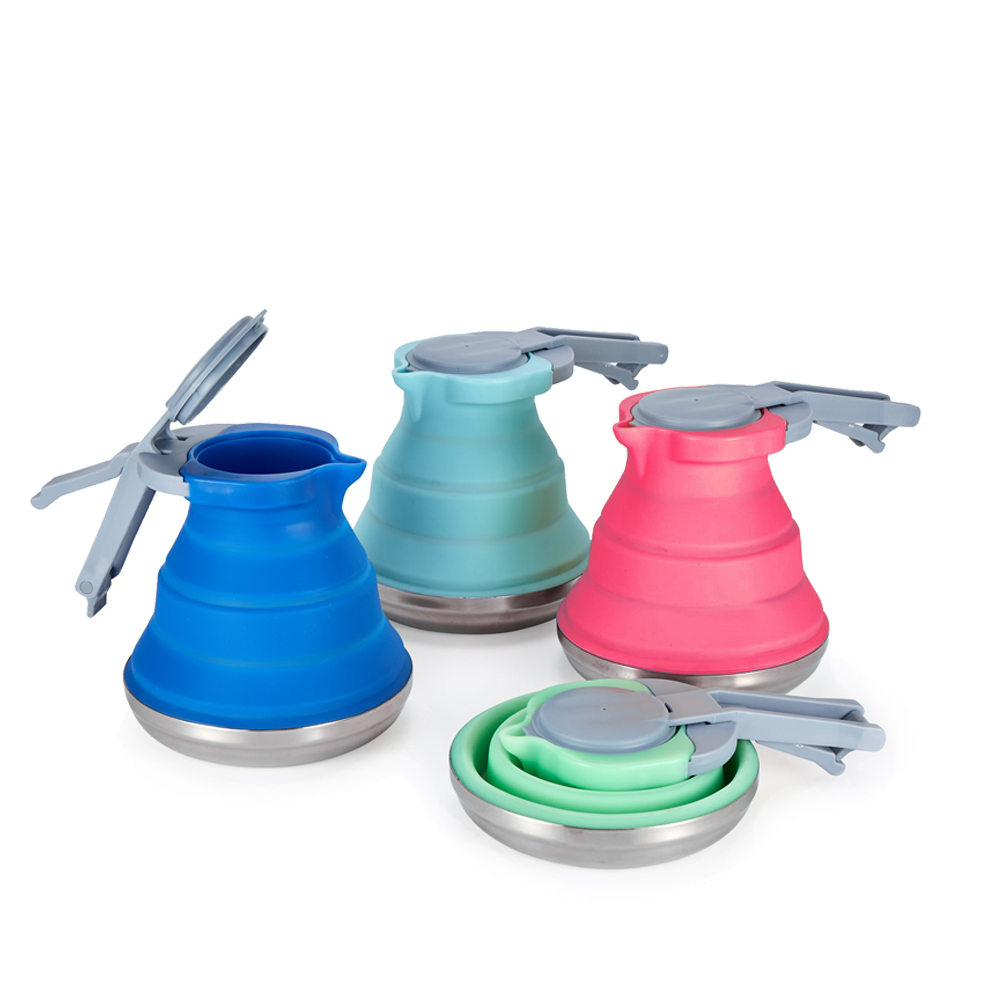
The trick isn't forcing the silicone into submission the moment you pull it from the cabinet. Instead, let the folds remember their own geometry. A gentle press along the existing creases, followed by a slow roll toward the rim, usually lets the cup settle into a disc far thinner than you'd expect. There's a softness to the material that rewards patience over pressure, and once you feel it give, the flat shape almost locks itself in place.
What makes this easier is keeping the back panel slightly domed while you fold, rather than pressing it perfectly flat from the start. That tiny bit of air inside acts like a cushion, stopping the silicone from kinking awkwardly at the edges. As the final roll completes, the dome collapses evenly, leaving no stubborn bulges or twisted corners to rework. It's less about wrestling the material and more about guiding it where it already wants to go.
If the cup arrives twisted after being stored, a quick rinse under warm water loosens the silicone enough to restore the original curve without coaxing. Shake off the excess, give the rim a slight outward pull, and the shape returns on its own. The flat fold then holds again without any visible warping, which means less fiddling in the morning and a cleaner fit inside even the smallest travel pouch.
Heat Resistance That Handles a Full Rolling Boil
Most heat-resistant labels start to fail the moment bubbles turn violent. This one was tested in a stockpot at a sustained 212°F for over an hour, with the adhesive and print layer showing zero signs of curling, peeling, or fading. You can drop it into pasta water, a pressure canner, or a deep fryer basket without worrying about the label turning into a soggy mess or leaving residue behind.
What makes the difference is the dual-layer construction. The face stock is engineered to shed moisture instantly, while the adhesive is formulated to maintain its grip on glass, ceramic, and stainless steel as temperatures climb. Even repeated exposure to steam and condensation doesn't weaken the bond or blur the text. After thirty cycles from boiling water to cold rinse, the label still looks like it was applied five minutes ago.
For home brewers, canners, and kitchen staff who need labeling that survives real cooking conditions—not just a quick splash—this is the kind of durability that earns its place on the shelf. No lamination required, no special handling. Just apply it to a clean dry surface, and let it go through the same punishment as the pot itself.
Keeping the Spout and Lid Drip-Free on Uneven Ground
Uneven ground turns a routine pour into a balancing act. The base can sit steady, but after you tip the kettle back, a slow return to upright is what leaves a bead of liquid clinging to the spout. Pour with one smooth, deliberate tilt and bring the kettle upright quickly, keeping the lid vent rotated away from the spout so escaping steam doesn't push out a drip.
If you're on grass, dirt, or a slanted wooden table, avoid setting the pot down where the spout points downhill. Tamp down a flat spot with your foot or use a wide, rigid lid as a temporary coaster under the base. After the last pour, tap the spout once against the rim of the cup to break the surface tension, then rest the kettle with the spout turned slightly upward.
Also leave a little air space under the lid. Filling to the shoulder instead of the very top gives hot liquid room to move without pressing against the seal, which is the kind of small margin that matters when the ground isn't level and a dry spout is the goal.
Simple Rinsing and Drying After Oatmeal or Instant Noodles
Oatmeal and instant noodles both leave behind a starchy film that turns tacky once it starts to dry. A quick rinse with cool or lukewarm water usually lifts most of it before it hardens, especially if you swirl the water around the bowl instead of letting it run in one spot. Hot water can work, but it sometimes makes the residue cling tighter to the sides, so starting with a gentler temperature often saves scrubbing later.
If a slick or cloudy layer remains, a small drop of dish soap on a damp sponge is usually enough to cut through the starch and any oil from the noodles. For dried-on patches, let the bowl sit with a shallow pool of water for a few minutes rather than scraping at the surface. After the rinse, shake off the extra water and place the bowl upside down on a drying rack or a clean towel so air can move through the inside. Leaving a little space between stacked dishes lets them dry fully and keeps that faint leftover starch smell from lingering.
Picking a Size That Suits Your Pack and Your Appetite
Choosing the right pack size isn't just about how many people are tagging along—it's about matching the meal's heft to your group's actual hunger. A three-person crew heading out for a quick lunch can often get by with a compact pouch, while the same trio after a long, cold hike might need a double serving to feel truly restored. Think about the worst-case scenario: if a storm pins you down for an extra day, that slightly larger pack suddenly feels less like a luxury and more like a lifeline.
Pay attention to how your group typically eats at camp. Some folks are grazers, happy with a modest bowl and a handful of trail mix on the side, while others treat dinner as the day's main event and expect seconds. A useful trick is to tally up your usual at-home portions for a similar dish—then add a bit more for trail appetites, which tend to run surprisingly high after a full day of movement.
Finally, remember that pack dimensions matter beyond just the stated calorie count. A higher volume can give you room to stir properly, add extra water without sloshing, or toss in a handful of fresh foraged greens without overflowing. If you're torn between two sizes, lean toward the one that gives your ingredients a little breathing room—it's easier to save a scoop for later than to conjure up more dinner from a too-tight bag.
FAQ
The main reason is space and weight. A good silicone kettle flattens to a few inches tall, so it slips into a side pocket or cook kit without rattling around. Metal kettles are sturdy but bulky, and on longer trips that wasted volume matters more than people expect. You also get a cooler-to-touch body, though the base stays hot.
Many are built with a hard-anodized aluminum or stainless steel base specifically for direct flame use. The silicone walls are food-grade and can handle high heat, but you still want the flame centered under the base rather than licking up the sides. If the model says flame-safe, it means the base is doing the real heat transfer.
Most collapsible silicone kettles fall between 1.0 and 1.5 liters. That is enough for two to three cups of coffee or a couple of freeze-dried meals. If you are traveling solo, a 1-liter size is usually plenty and keeps the packed size smaller.
A quality kettle made from platinum-cured silicone should not. The first time you use one, boil plain water and dump it. After that, any faint new-product smell disappears. Cheaper silicone blends are the ones that tend to hold onto odors, so it is worth buying from a brand that lists its material clearly.
Weight, packed height, and the base material matter most. Look for something under 12 ounces if you can, with a stainless steel base for durability and a lid that vents or lifts easily. Handles that fold flat are also useful because they keep the kettle stable when pouring without adding bulk.
Rinse it with a small amount of water while it is still warm, before food or coffee residue dries. If something sticks to the base, a soft sponge or cloth works fine. Avoid abrasive pads on the silicone walls because deep scratches can trap odors. Let it air dry fully before collapsing.
Yes, as long as it is completely dry before you press it flat. If you pack it away damp, mildew can develop in the folds. Some people leave the lid off in storage or stuff a paper towel inside for the first day to absorb leftover moisture.
Conclusion
A good collapsible silicone kettle earns its place by disappearing into your pack until it is needed. The best models flatten down without a wrestling match and spring back into shape once you pull the side walls apart, so you do not waste ten minutes pinching and coaxing the silicone. That folding convenience would mean little if the kettle could not handle heat, but the stronger options manage a full rolling boil without softening, warping, or leaving a plastic taste in the water. A steady spout and a lid that stays put on uneven ground also keep hot water where it belongs, which matters when the only flat spot is a patch of gravel near your tent.
Cleanup should not feel like a chore after oatmeal or instant noodles, so a wide opening and a smooth interior make rinsing and drying far simpler than designs with narrow necks or hidden seams. Size is the other practical decision: a compact one-liter kettle suits a solo hiker or minimalist pack, while a larger two-liter version covers two people or a proper meal. Across the top ten options, the common thread is that they handle real camp use without demanding constant attention. They fold, boil, pour, clean, and dry with less fuss, which is exactly what makes them effortless companions for short trips and long travel days alike.
Contact Us
Contact Person: Cecilia
Email: [email protected]
Tel/WhatsApp: 8619057488653
Website: https://silwatbottle.com